We pray, confess, and worship our fetishes, among other things, exactly for this purpose. The great farewell. But given the circumstances, it’s not so easy. Diseases and misfortunes complicate and block our path to Elysium. When the lungs no longer smoke, the liver no longer drinks, and systemic pancreas collapse is imminent, panic sets in. In the first two cases, we often say, “you brought it on yourself.” Even if genetics are irrelevant and to avoid admitting guilt for an unhealthy lifestyle, most of these diseases are down to chance. In the sense that both the worst criminals and the most loving mothers are affected equally. After the shock of the first diagnosis, there’s a renewed reclaiming of one’s vital energy, supported by faith (whether true or fake), except in cases of professional ignorance.
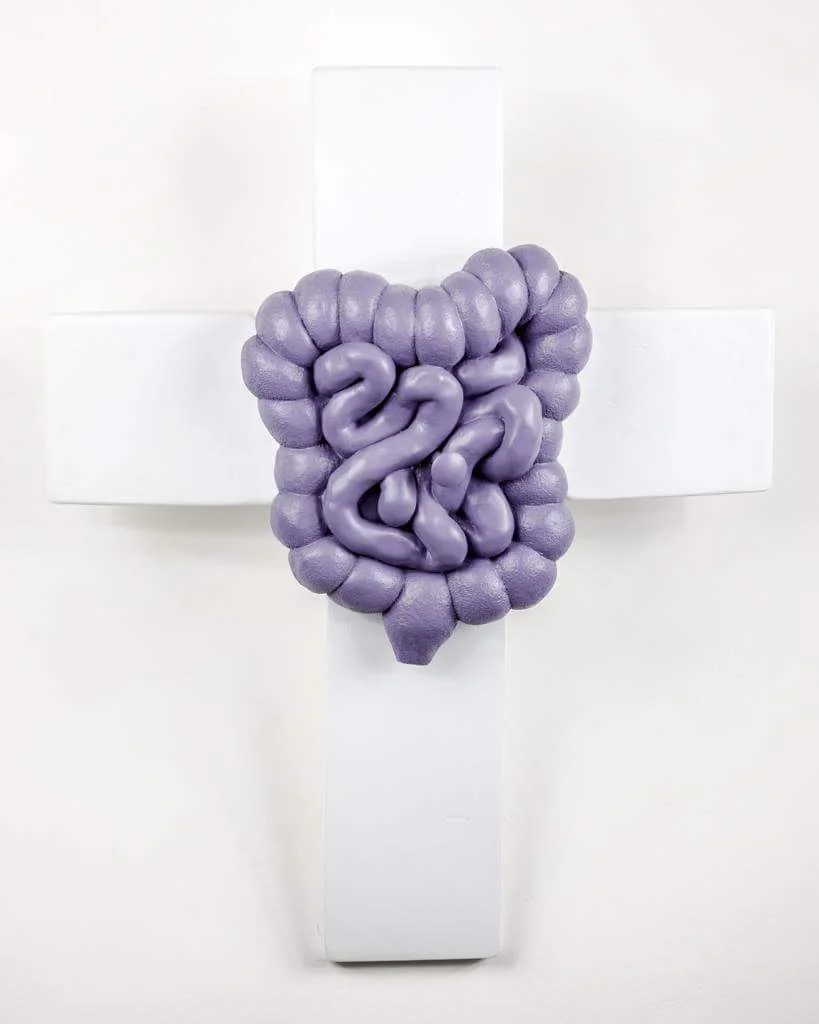
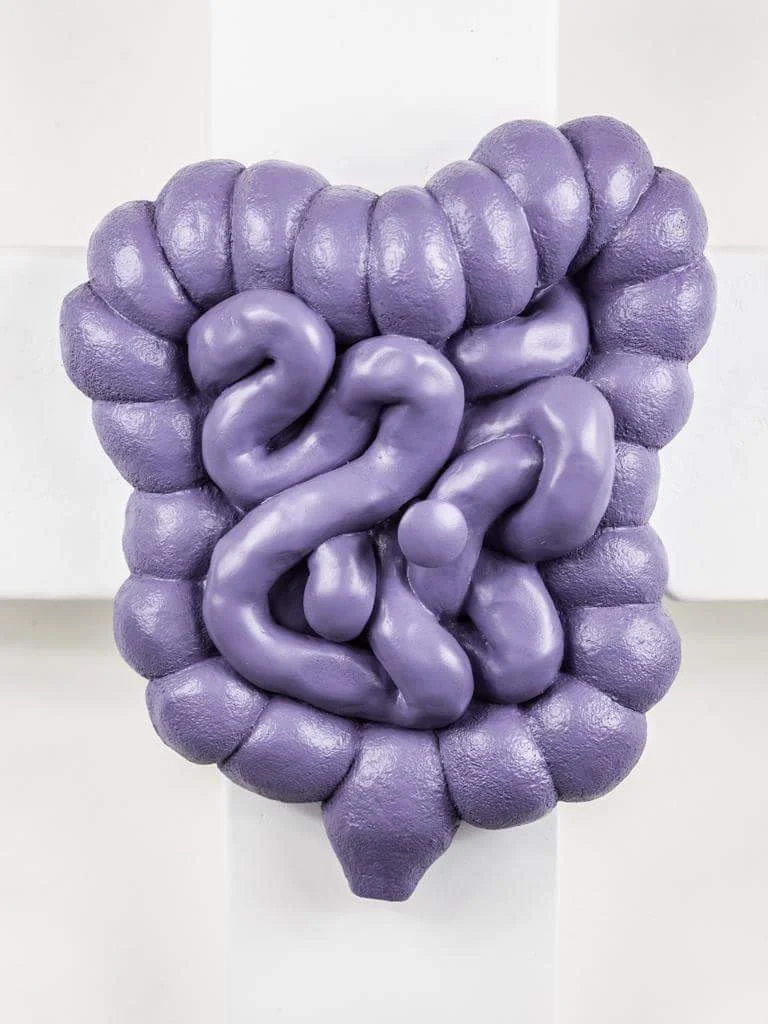
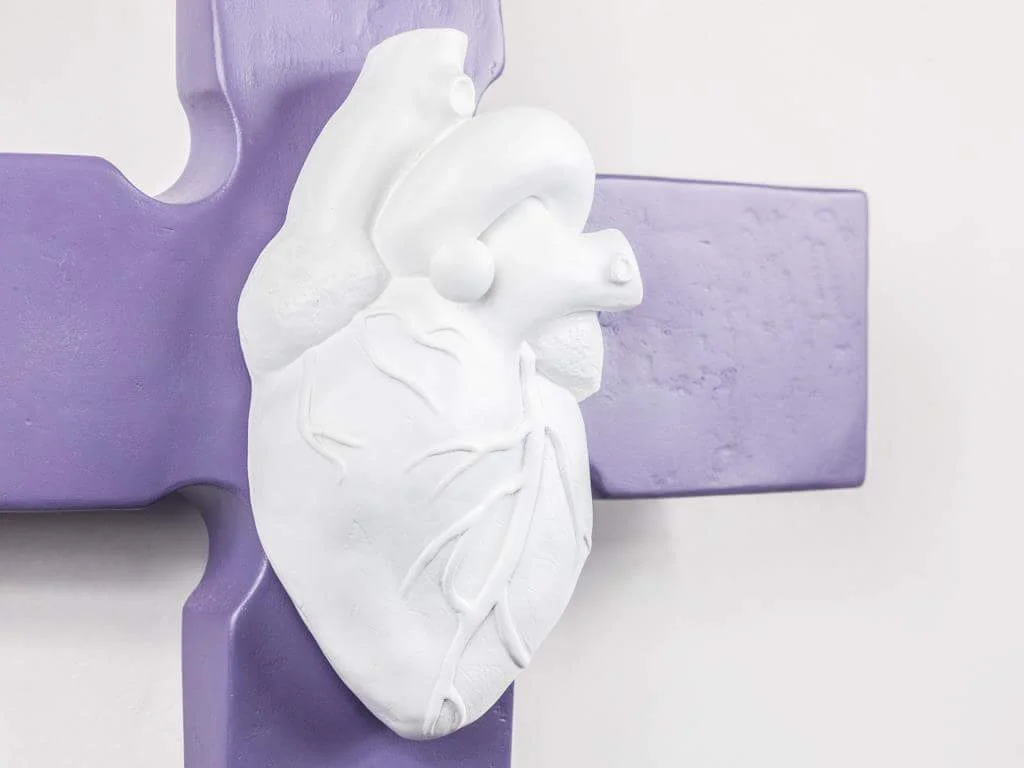
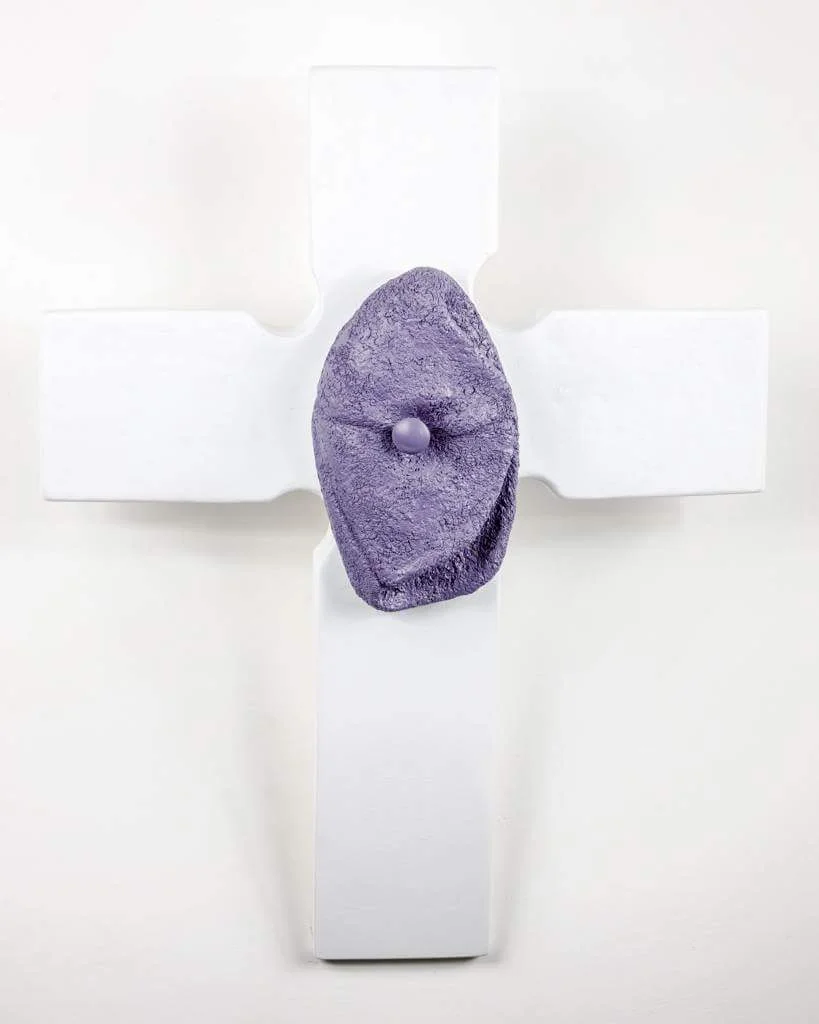
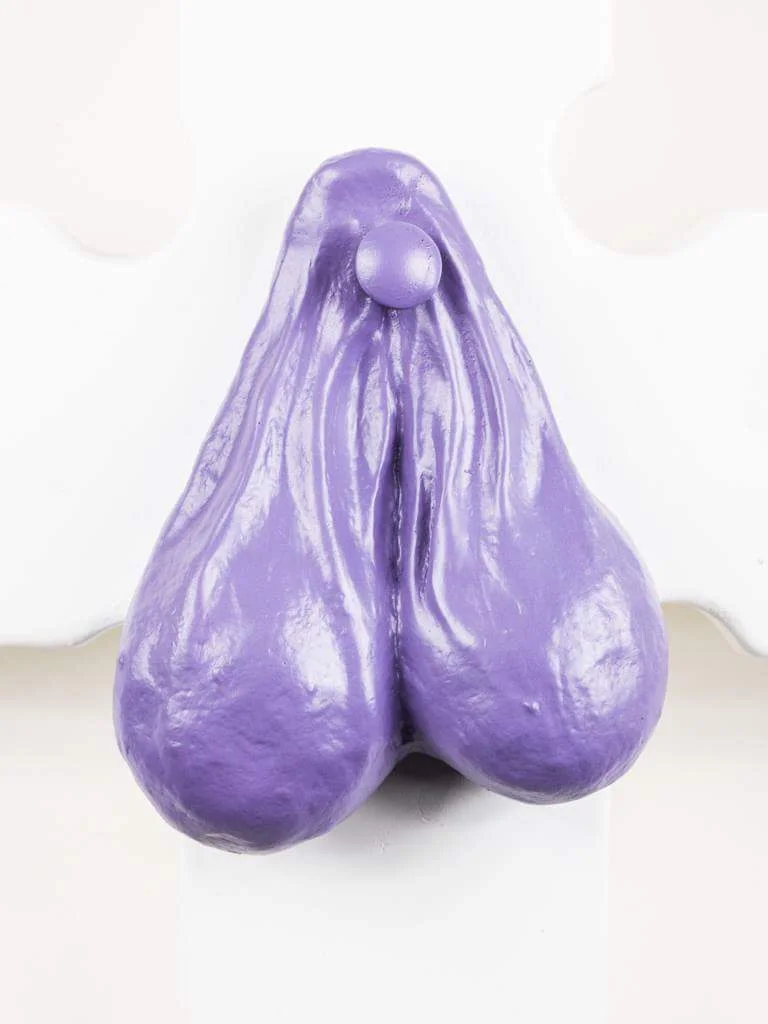
Our hope is the last to die. The cancrofissi are the material reproduction of the first prize in our lottery. Like in the case of a fanatic, a religious fundamentalist, everything is centered on the healing of our flesh. The more aggressive, the more attached to life, the more you cling to it and defend it, the stronger the love and faith. It’s too soon, damn it, too soon. The cancrofissi are the manifestation, synthesis, and sum of these efforts. All our thoughts, dreams, and cries are influenced by the future because we know our fate. So, let us carry our cross, with straight backs and dignity.
Crucify your disease!
Cancer-ridden intestines, on the cross!
Tumor growing in the brain, on the cross!
Collapsed lungs, up on the cross!
Liver drowned in alcohol, let IT SUFFER instead of you!
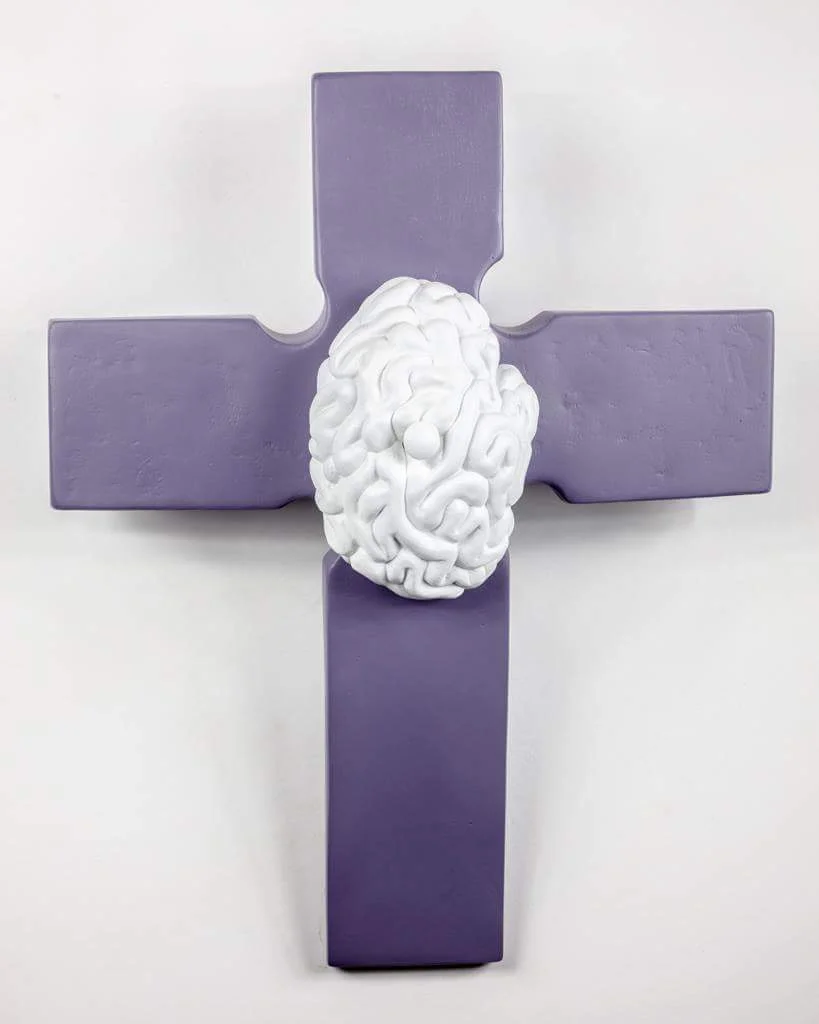
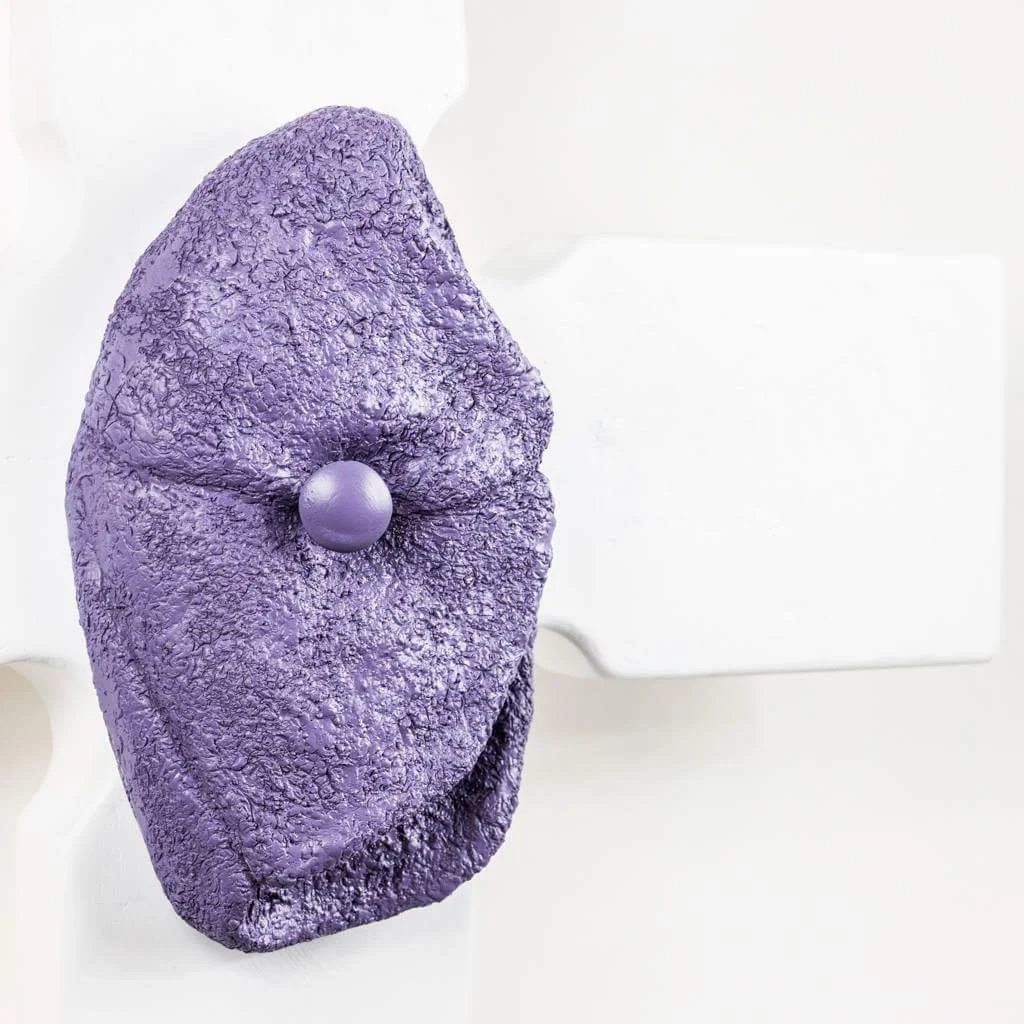
Healing through autosuggestion must exist, more often than we know. We are still far from exploiting all of our possibilities, all our potential, to return to life with our own strength. Nothing in the world is more precious than our life, yet monotheistic religions do not consider you as an individual but are rather power institutions of our pluralistic society. Science, medicine, subservient to technological devices, forgets the human, the sensitive being left to fend for themselves. In such cases, your faith can compensate for much.
“Crucifixes, cancrofissi, or even just the mere heavens have one thing in common: you have to lift your eyes to look at them.”
The cross with art
Art and religion are closely linked, so much so that it almost seems natural. But we contemporary artists prefer to avoid dogmatic religion and its guardians. We seek autonomy. The church fears many artists and their individuality. It would like its truth to be represented in bright colors. It favors mediocrity, conformity, and gracefulness. Sacred art is neither offensive nor loud. Yet religion and symbols are part of our everyday lives.
The critical analysis of the aesthetic play with the cross can provoke conflicts. Thus, there arises the need to understand art as a form of visual processing, as a unique way to emphasize new aspects, to dilute established and preconceived aspects. The cross with art is not a conflict of substance but rather one of open horizons.
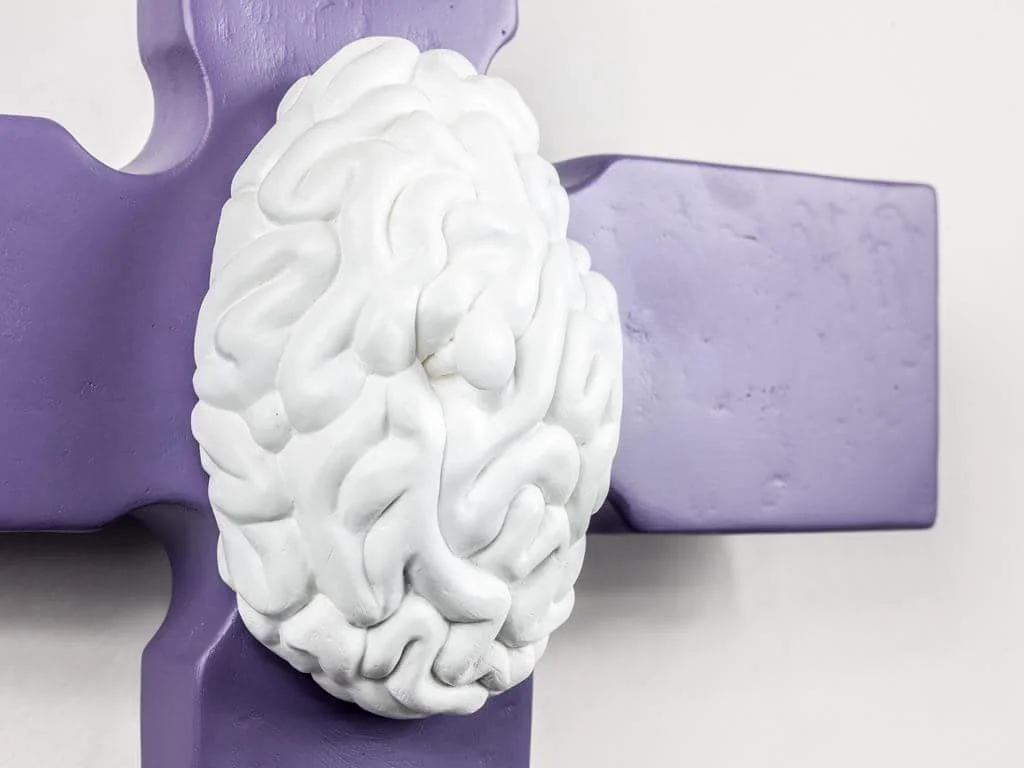
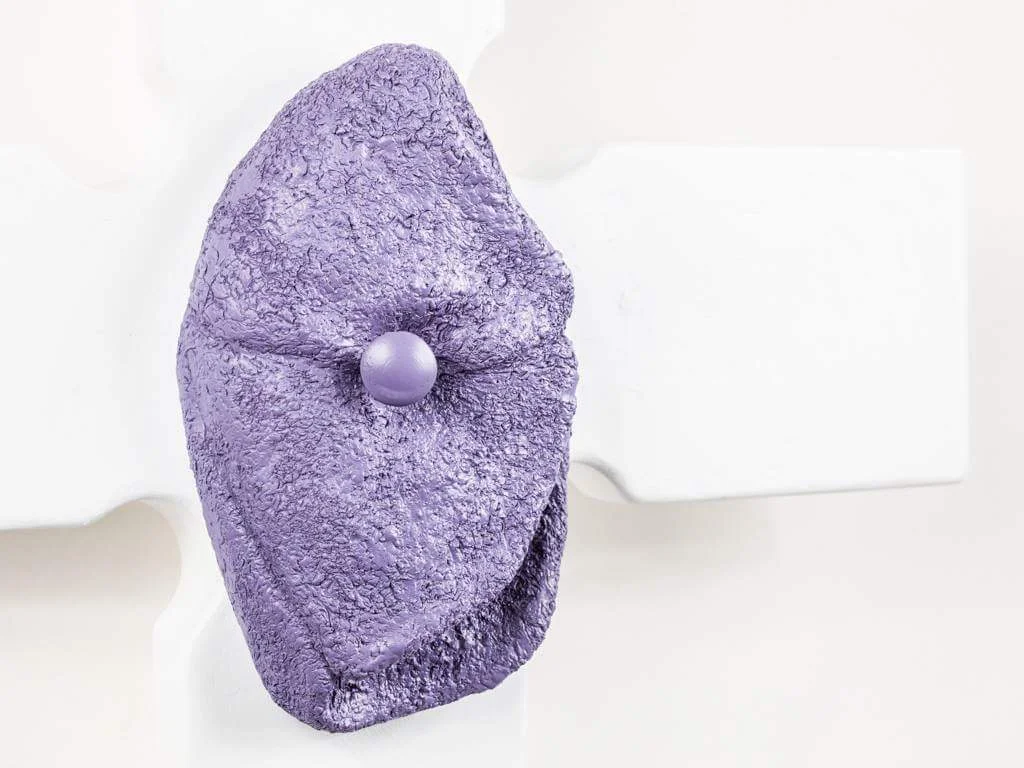
So: Why do people pray? Primarily to find relief. They try to drive away evil or at least make the good prevail. They say that Jesus died for our sins, that He saved mankind. Jesus gives hope to people, and they feel that someone is listening to them. But even those who don’t believe in God need love and comfort. They, too, want to be saved from evil. And this is where idols and fetishes come into play.
The idol represents an ideal that we try to emulate. It usually doesn’t diverge much from one’s own personality. The idol is the role model for our lives and therefore the ideal of our best self. Identification plays an important role. But beware:
“Believing in an idol implies that the idol’s mistakes become ideals.”
Leo Tolstoy
Compared to Christianity, however, there is a difference. Jesus is infallible and unique, whereas our modern idols, upon closer inspection, can be fallible and replaceable. Our organs are fallible but absolutely irreplaceable. Yes, organ transplants exist, but we cannot live without our organs. Four out of ten people will get cancer during their lifetime. Cancer is the leading cause of premature death. One in thirteen people will spend a long time in the hospital because of this disease.
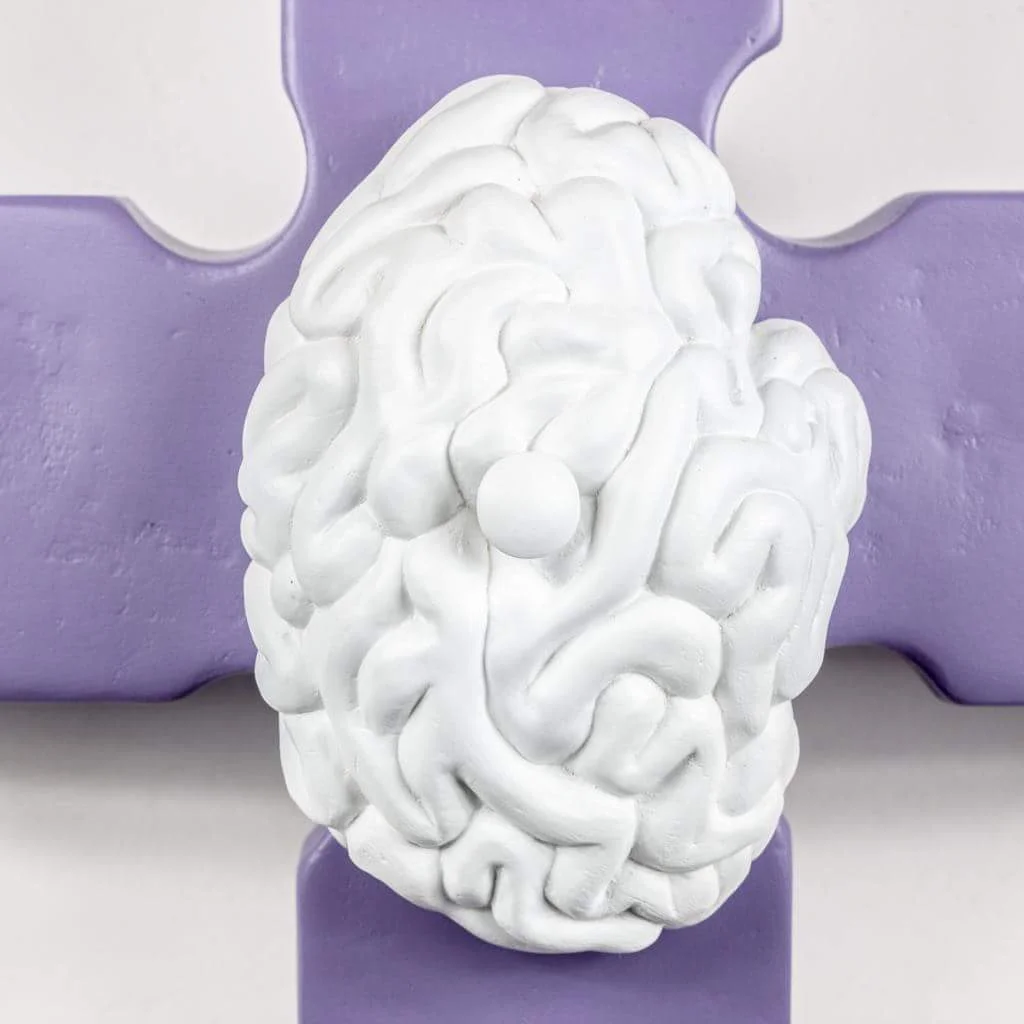
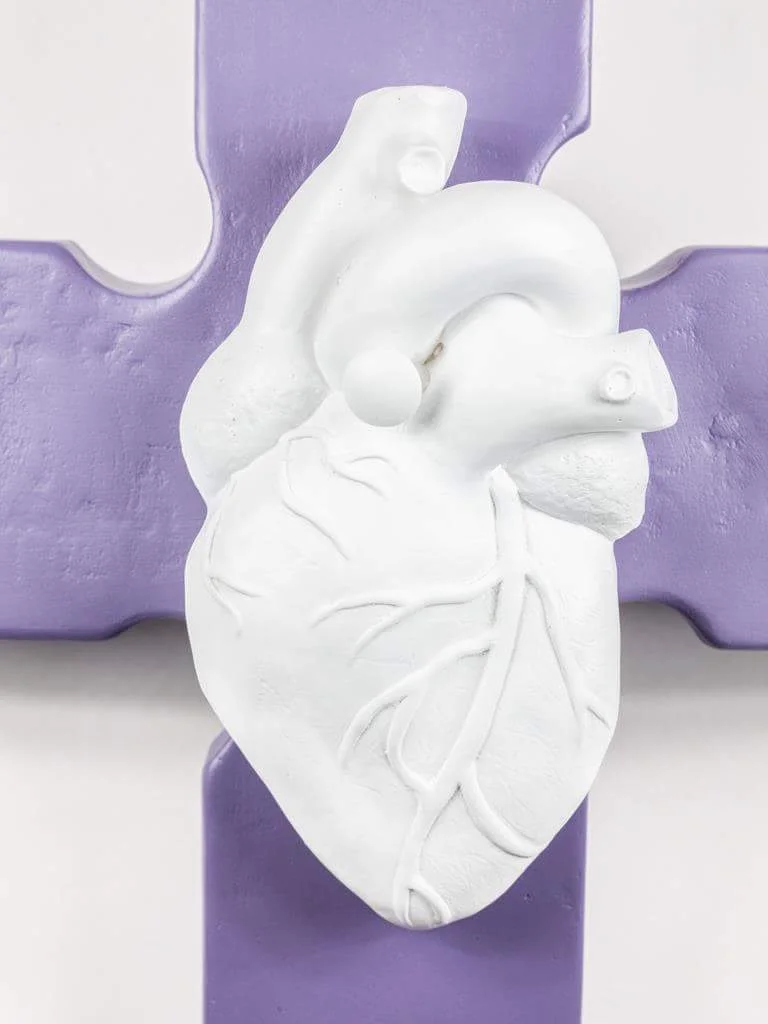
For these reasons, we can easily look up to the cancrofissi and consider them the projection of the will to live. However, life is not just mere existence but a fusion between the attempt to understand our world, the desire to create something, and above all, hope. If our organs become diseased, our existence is in jeopardy. When we look up and believe in the Cancerfixe, they will give us hope.
A person opens up to another through dialogue. A person opens themselves up to prayer or contemplation more easily with an effigy, a fetish on which they can focus their concentration and desires. In this context, the body’s organs represent absolute humanity, what we are made of, and what unites us. The irreplaceability of organs is a very important fact. In other words, it doesn’t matter what you believe in, but it is irreplaceable that you believe in yourself and in what you are made of. And so, we all believe that the roulette of death won’t touch us. But the chances are much higher than winning the lottery . . . yet we still want to believe in that.
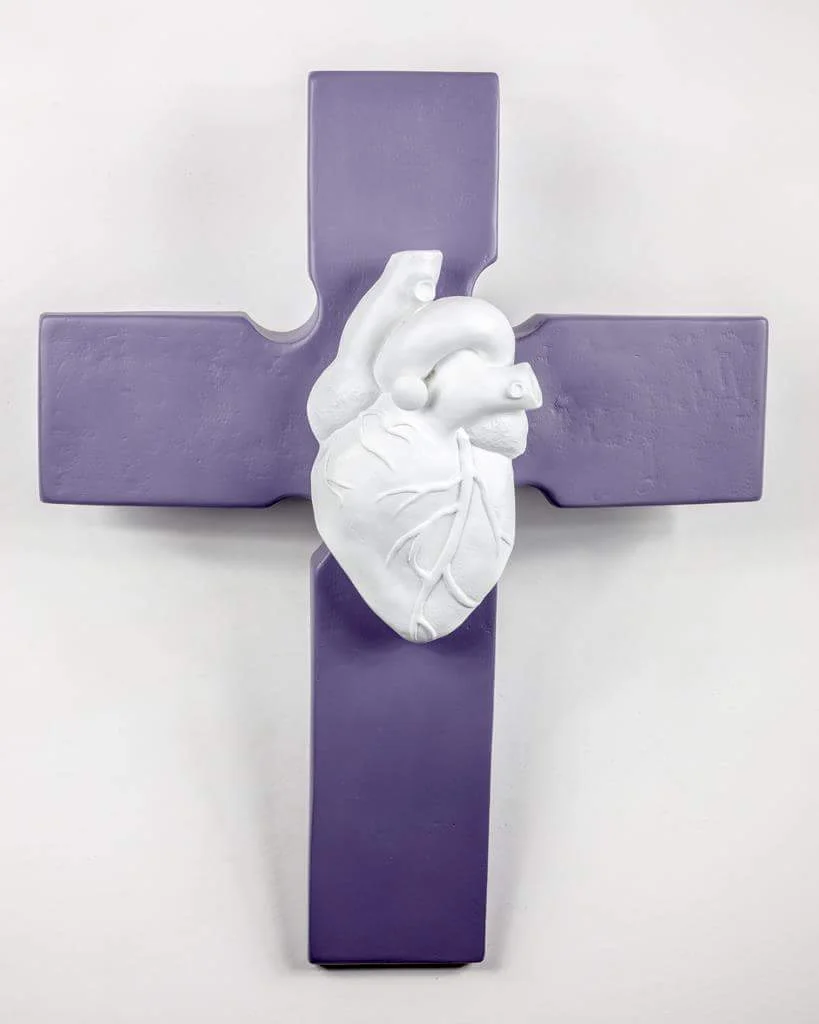
Cross and cancer?
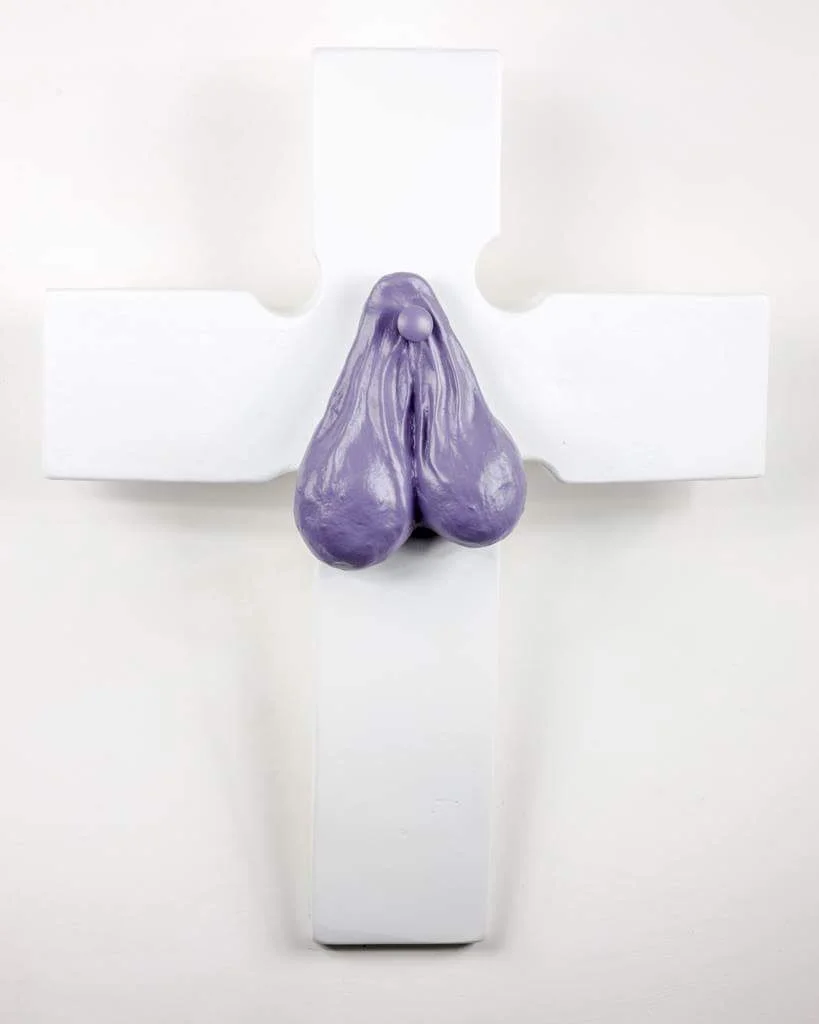
The Latin cross, combined with the crucified object, has a calming yet authoritative and intimidating effect that can provoke different reactions in the observer. Religious symbols have this reverential character. In the specific case of the pseudo-religious cancrofissi, there is also a certain disgust toward human viscera, which, while essential to life, only become visible in extreme situations. You have to endure it; it’s your machinery. Yet there is a sort of dependency between the cross and the viscera, one transcending the other. White on black, black on white. And if man were a being without faith? Think carefully, dear observer. Focus on the essentials and try to stay alive, until the last bullet.
Our work does not represent a self-contained unit. Rather, it finds its legitimacy in functioning as a mediator between creator and observer, but also between the observer and their own emotions. In this sense, sculpture creates a union between the artist and the observer until the boundaries disappear. The connecting link, therefore, is emotions. The emotions that inspire the artist and those that are evoked in the observer. Both are connected through the work.
“What is art?” After Duchamp, we know: potentially anything.
Who makes art? After Beuys, we know: potentially anyone.
Where is art? After internet@wireless, we know: potentially everywhere.
F.A.C.
Only the question remains: Has art, seen as a form of life, a source of thought, and a reservoir of impulses, gone extinct? Because, originally, art was excellence, the motives were uncommon, whereas throughout the aesthetic revolution of the last century, it had to leave these ideals behind. Most people don’t have the fundamental passion for the absurd madness of contemporary art, where every media boundary has been surpassed.
Let’s take just one example: In the 1960s, Daniel Buren tried to analyze our perception system with the help of a striped fabric, but citizens only “saw” an awning. It’s the issue of realities and effects. Even if the citizen is not obsessed with contemporary art, their reaction is legitimate and necessary in the sense of provocation.
“The danger of the danger-free” is no longer required, interesting only to the mass media. Today’s art has freed itself from many old constraints but has created new ones: the global art market and its ruthless rules. Many people see F.A.C. as a provocation, and we are glad about that. We place our authenticity above all. The Cancerfixe are part of a long tradition of our works. Representing a negative fact through art doesn’t make the fact better, but it can make it more bearable and can stimulate or deepen its processing. Many of our works seem ironic and amusing at first glance. But for those who are willing to dig deeper, they can also discover their bitter and uncomfortable taste.
Carrara 2018