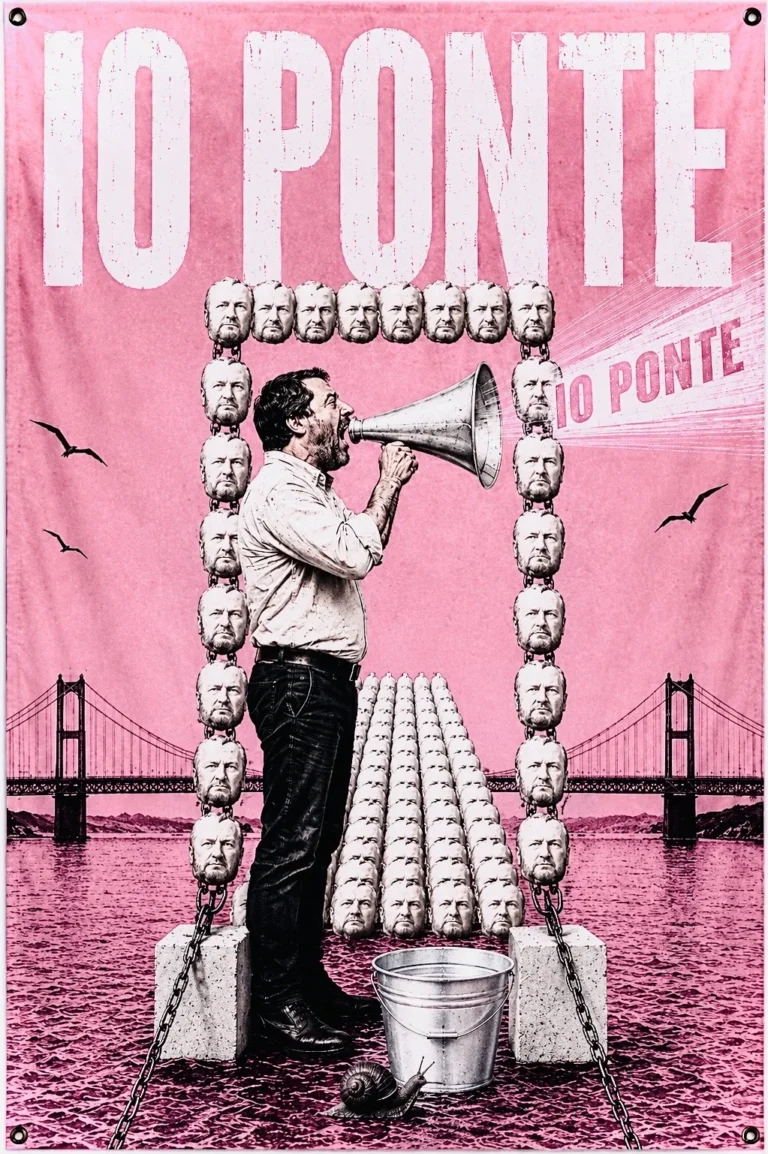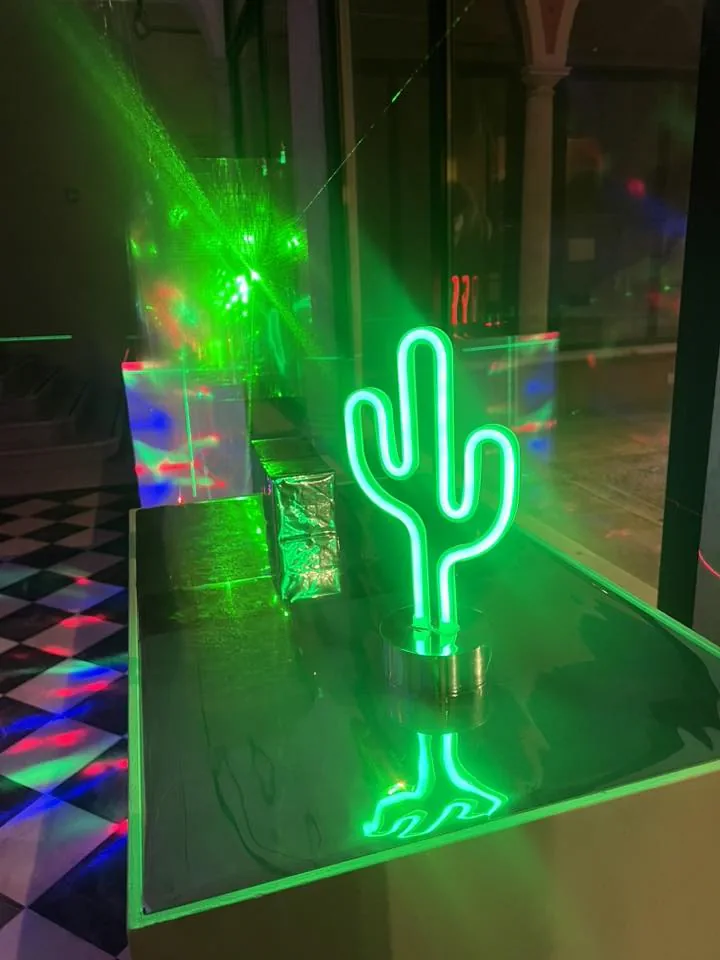
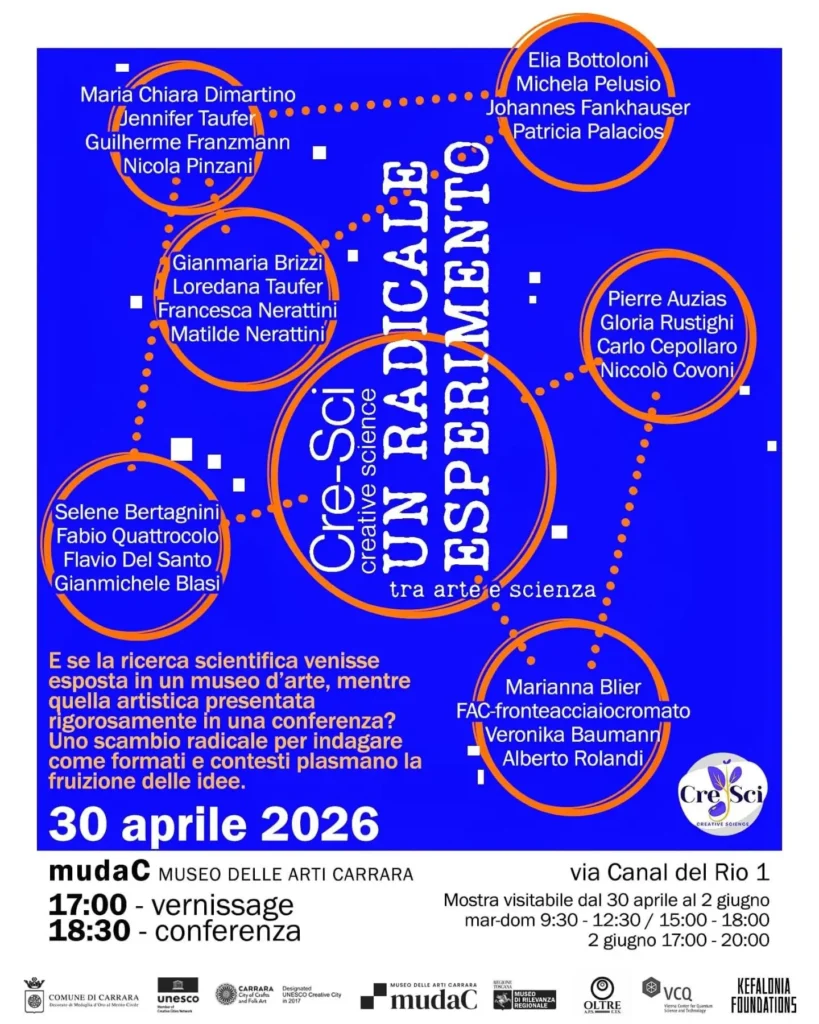
“FAC UNCOLLAPSED aka Spinosa ad Astra” emerged during our collaboration with quantum physicists Veronika Baumann and Alberto Rolandi from the University of Vienna as part of the CreSci project at the MudaC Museum in Carrara.
CreSci was created from the idea that art and science should no longer be treated as separate disciplines, but as two different ways of investigating the same unstable reality. The project brought artists and researchers into a direct collaborative process in which illustration was never the goal. Mutual irritation was.
Scientific models, quantum physics, perception, uncertainty and emotional experience were not simplified into decorative explanations, but translated into real spaces, images, conversations, light, sound and physical experience. We at FAC curated the artistic process. For us, CreSci became a temporary laboratory: a place where art no longer simply produces objects, but makes thought processes visible, while science loses its sterile distance and suddenly becomes emotional, poetic and human.
Between fog, lasers, lectures, conversations and nocturnal filming sessions inside the museum, a condition emerged somewhere between exhibition, experiment and collective dream. Spock served as Scientific Curatorial Assistant.
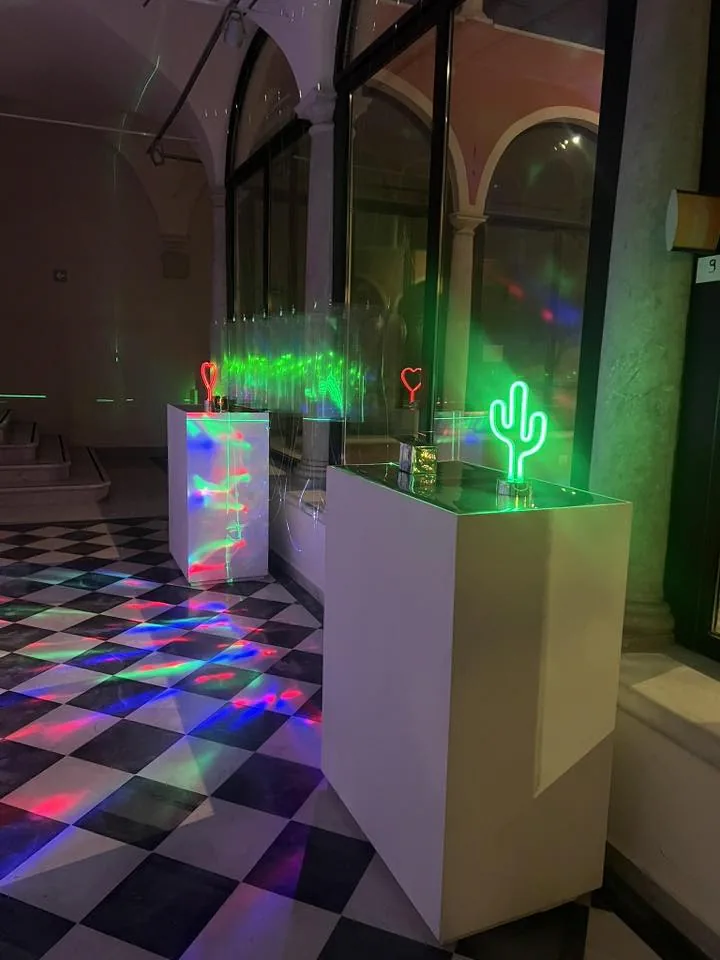
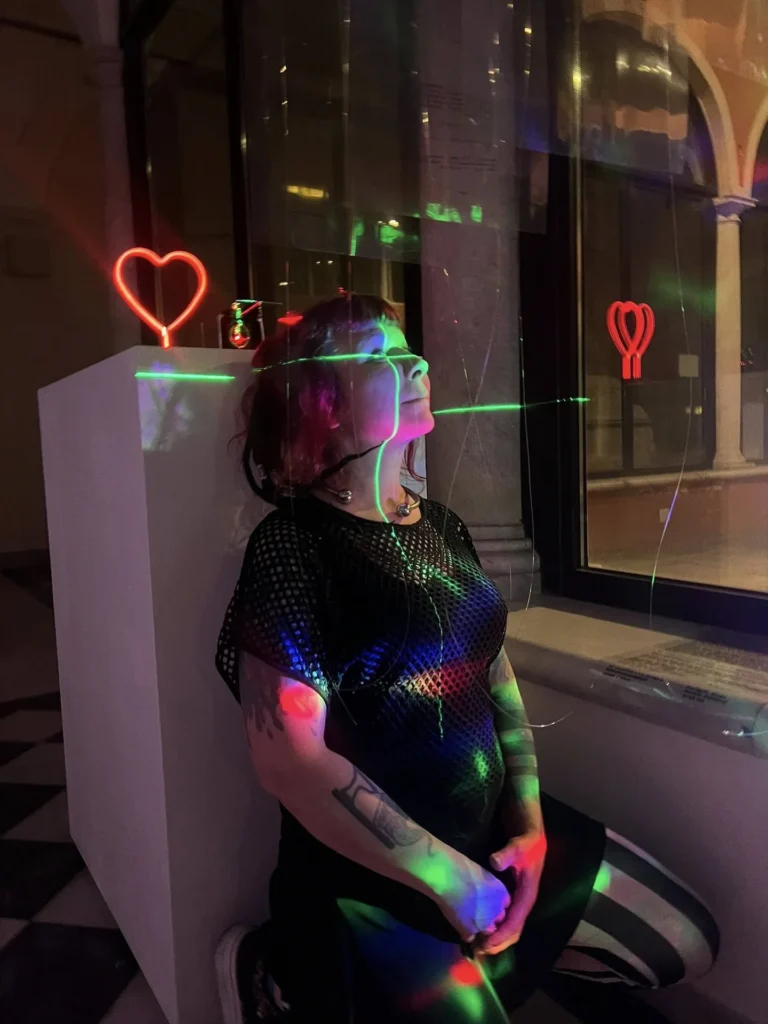
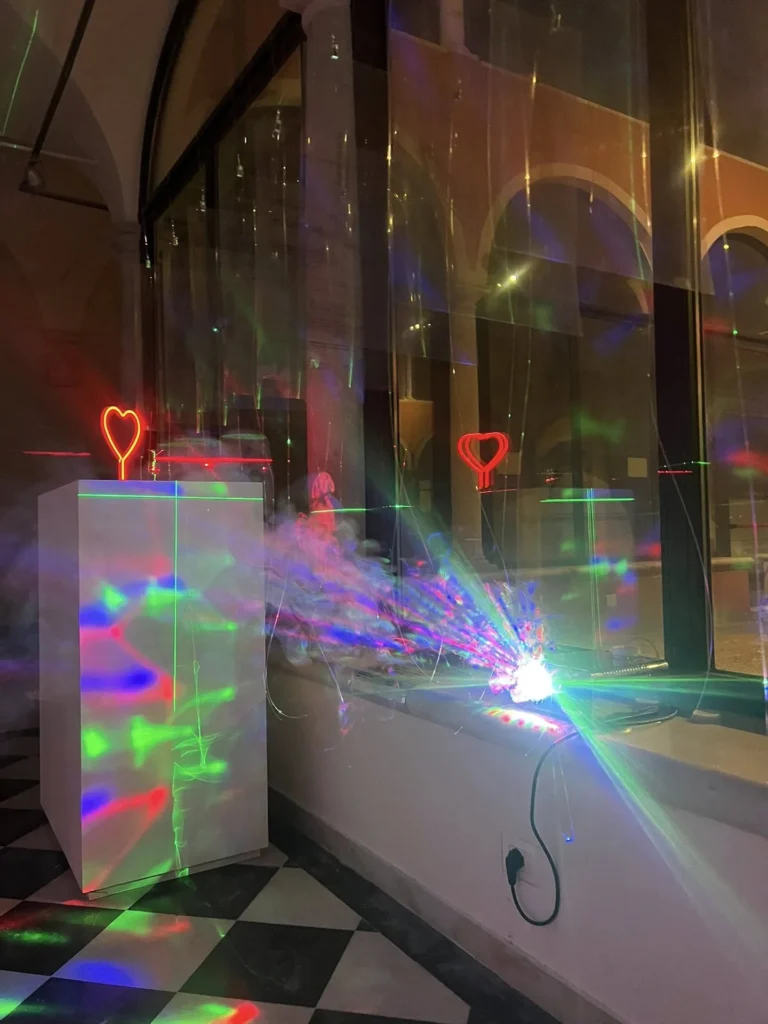
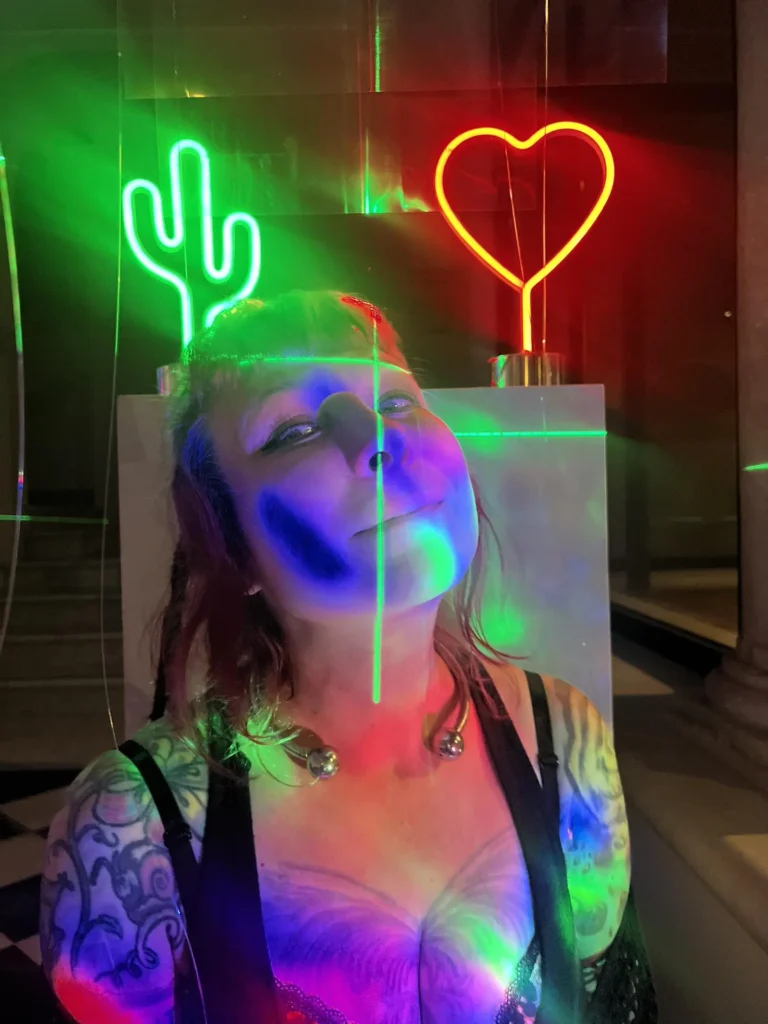
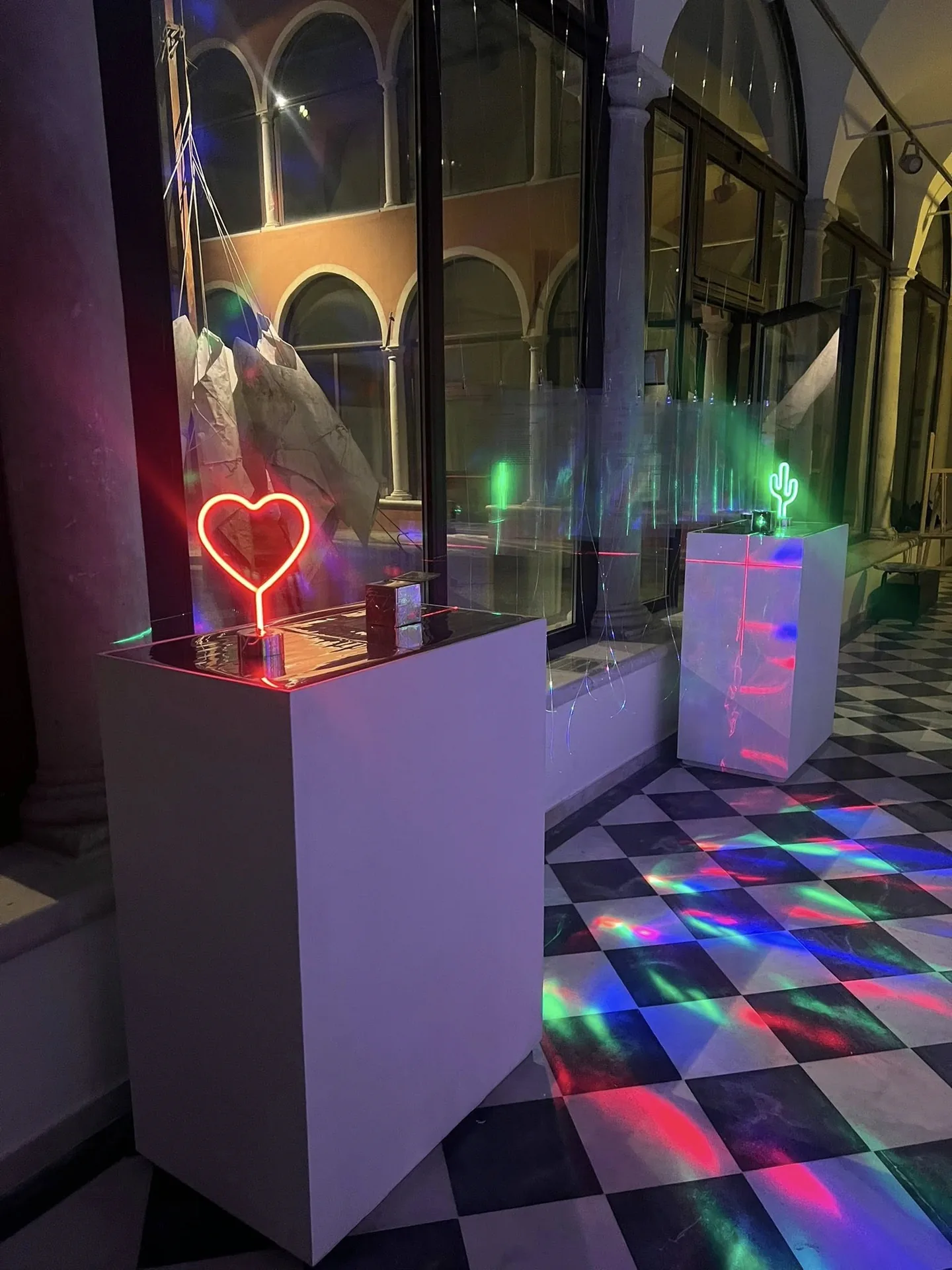
Our original intention was never to illustrate science. We did not want decorative “science art”. No pretty formulas hanging on white walls. No sterile translation of research into design.
We were interested in something else:
What happens to the human being between possibility and collapse?
Between observation and identity?
Between emotional stability and cosmic isolation? Out of these conversations, our spatial experiment slowly began to take shape.
A long dark corridor inside the museum.
Two laser sources. Red and green. Additionally: a light and smoke cannon.
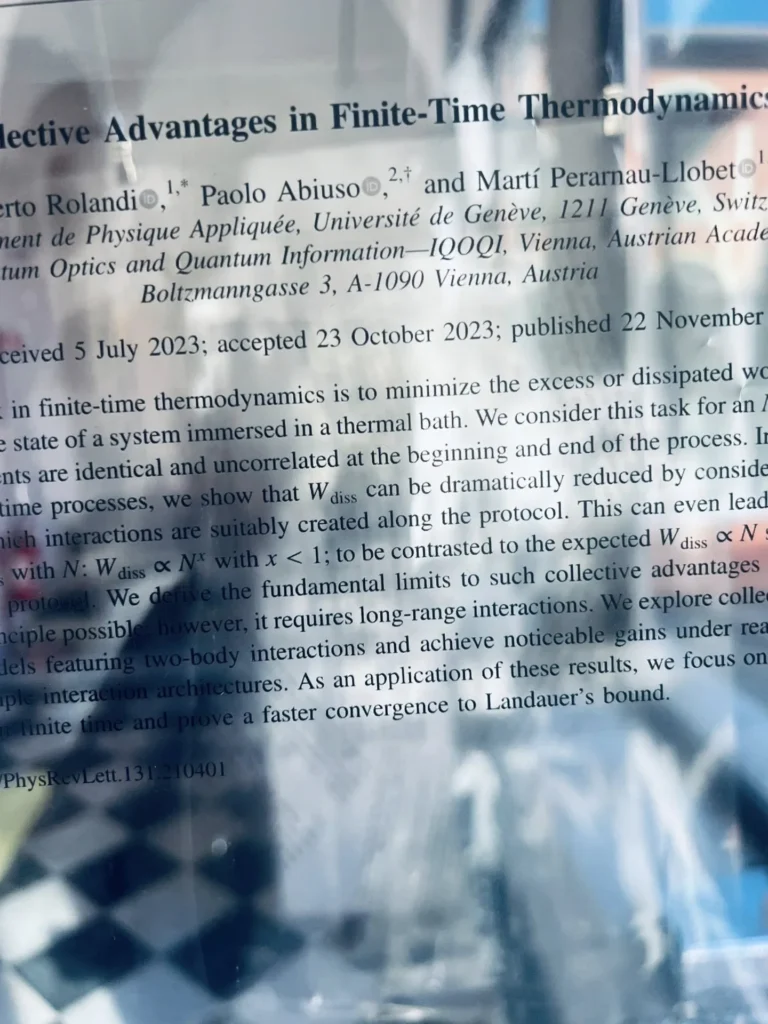
Between them: transparent printed layers carrying fragments of the scientific papers:
- 1.
“Collective Advantages in Finite-Time Thermodynamics”
by Alberto Rolandi, Paolo Abiuso and Martí Perarnau-Llobet
- 2.
“Noncausal Page-Wootters Circuits”
by Veronika Baumann, Marius Krumm, Philippe Allard Guérin and Časlav Brukner
Fog. Reflections. Overlaps. Errors. An installation that never looked exactly the same twice.
Glowing science.
Visitors did not simply walk past an artwork. They moved through an unstable field of interference. Through a condition permanently recomposing itself.
Light = Quantum = Life.
Depending on the angle, new lines, new distortions and new spaces appeared.
The observer became part of the system. That was where the real work began. During the day, the corridor felt almost technical.
At night, everything transformed.
We filmed often at night inside the MudaC among residual light, fog and laser beams. The installation suddenly began to behave like a living organism. The beams devoured the smoke, faces appeared and disappeared again, shadows moved through the projections like foreign signals.
It felt less like a museum. More like a research station somewhere outside the known world.
The title “Spinosa ad Astra” emerged as an ironic and poetic distortion.
A thorn-covered path toward the stars of knowledge.
“FAC UNCOLLAPSED” explains itself.
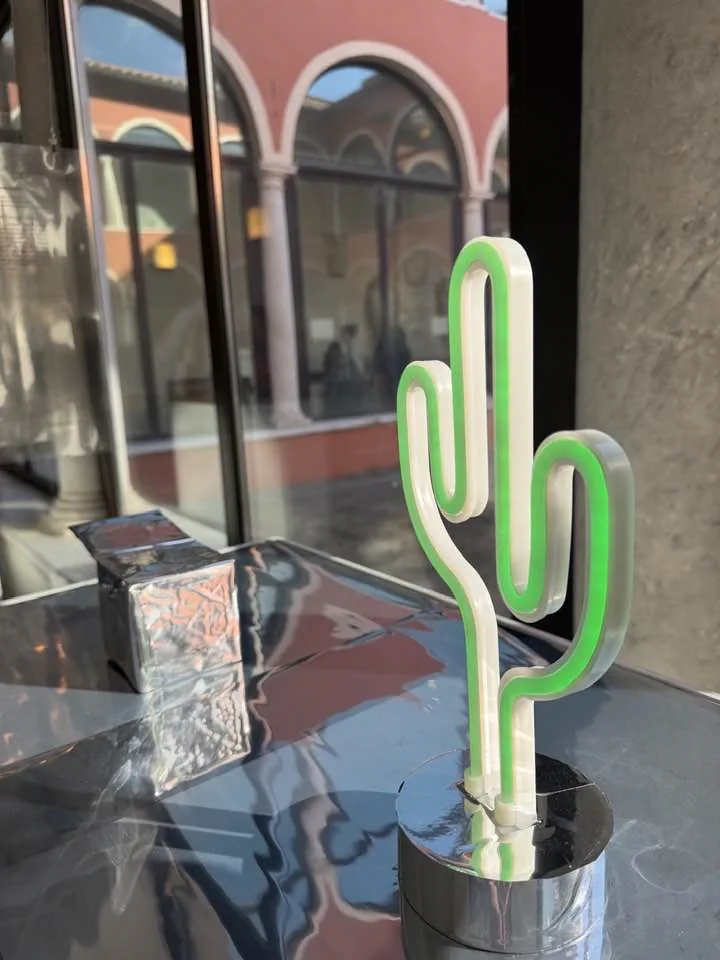
A neon cactus and a neon heart confronted each other like two opposing systems:
Logic and emotion.
Setback and desire.
Physics and human impatience.
Parallel to the installation, the pseudo-scientific lecture-performance “Last.man.happy.with.pets.in.space.” was developed. Based on another artwork by us.
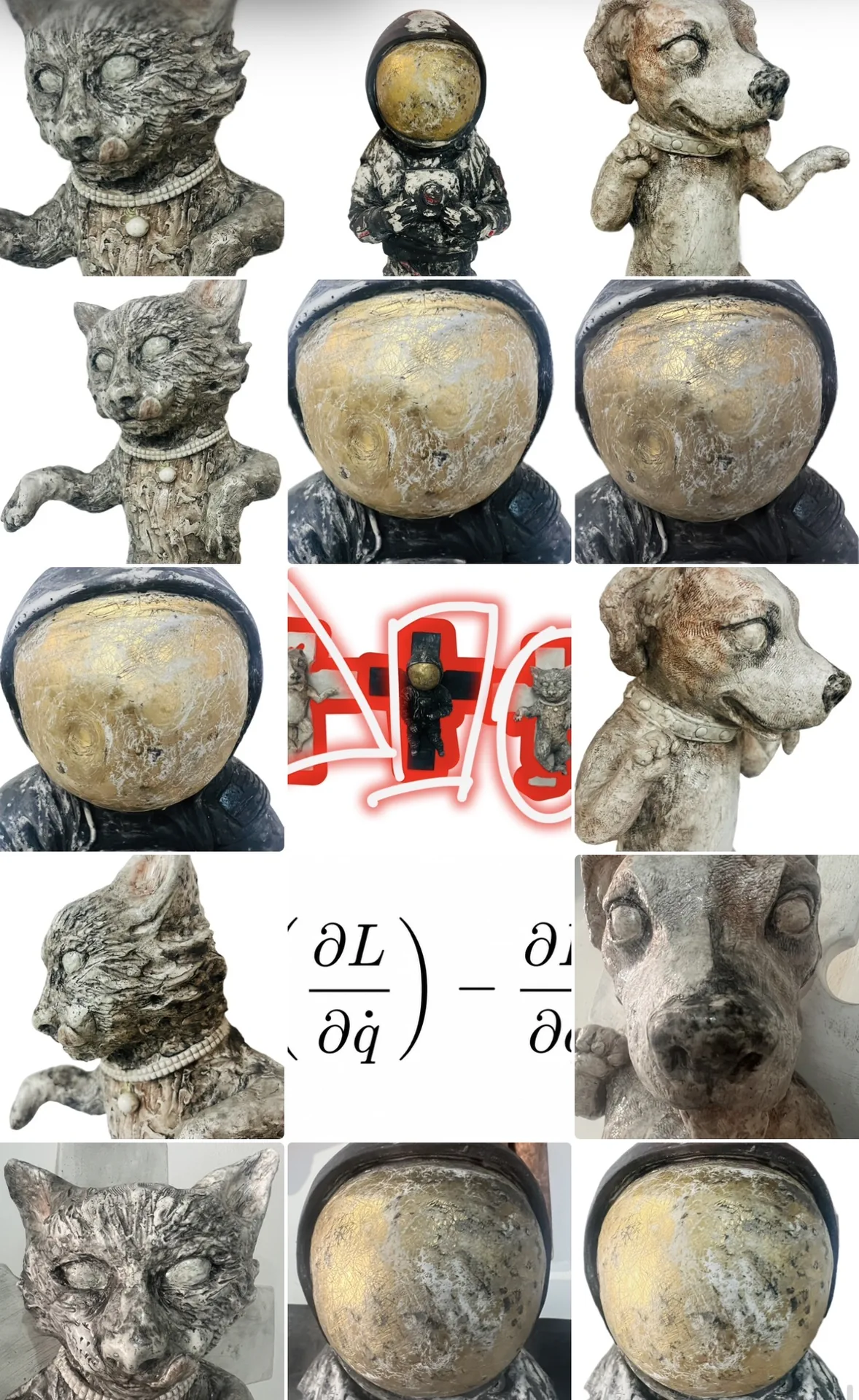

An experimental reflection on emotional stability under extreme conditions. On isolation. On the question of why sometimes a dog, a cat or a tiny emotional ritual can become more important than entire social systems.
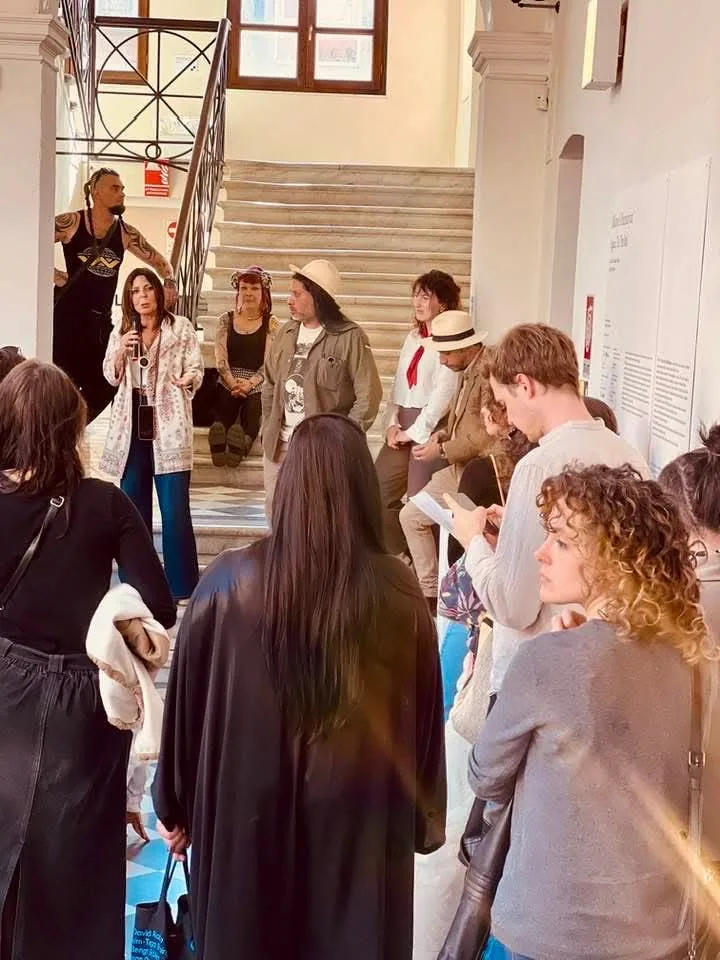
The lecture moved somewhere between scientific language, performance, personal reflection and dystopian storytelling.
Not as a scientific claim. But as a mirror.
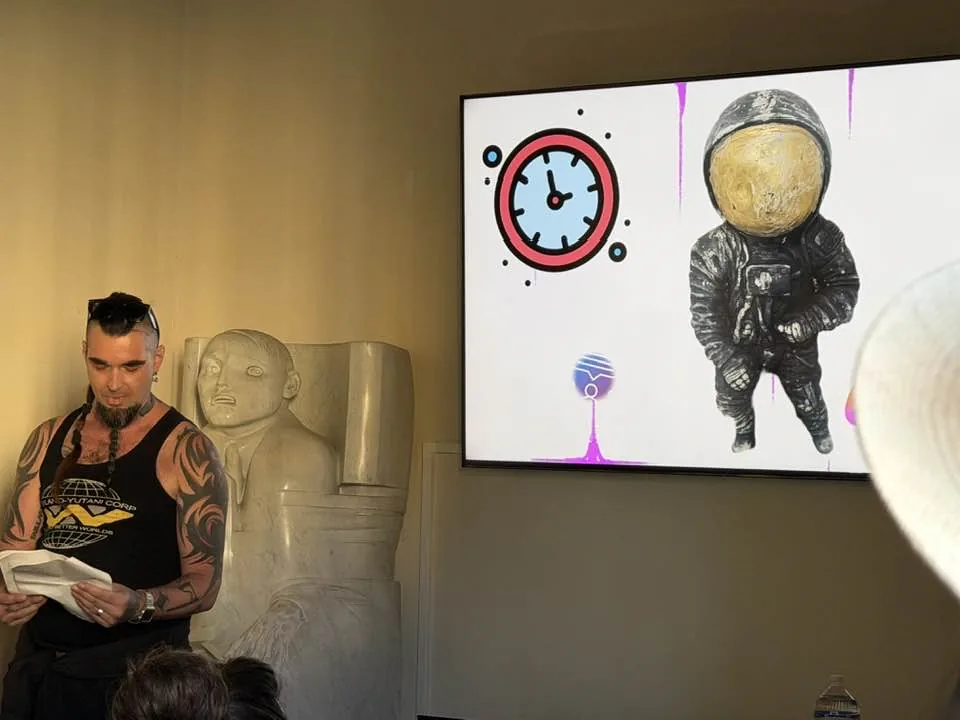
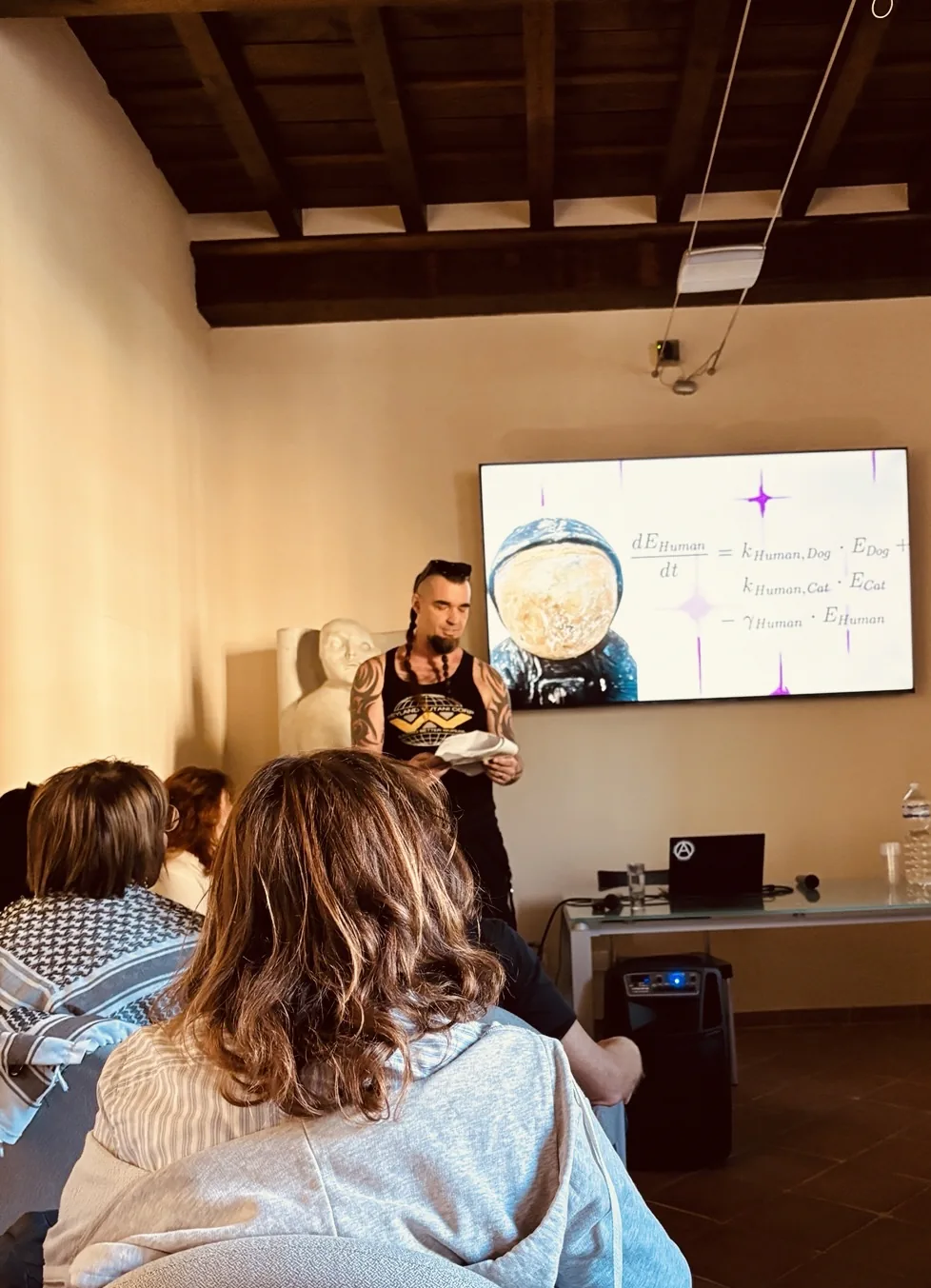
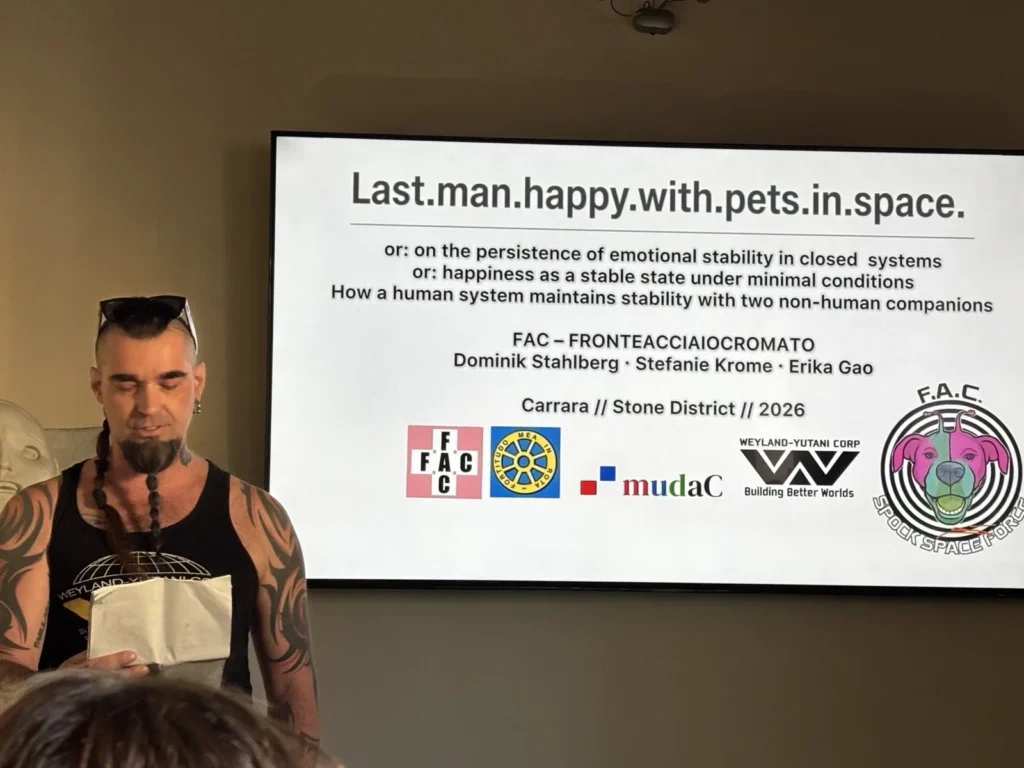
The central question always remained the same: How does a human being prevent their own internal collapse?
Maybe not through greatness.
Not through power.
Not through total control.
Maybe only through small connections.
Through memory.
Through closeness.
Through a dog and a cat inside the last spaceship.
For us, “CreSci – Creativity in Science” became far more than a classical exhibition. It became a temporary laboratory between art and science, between theory and emotional experience.
Thanks to Veronika Baumann and Alberto Rolandi for their openness, the conversations and the shared journey through quantum physics, chaos and imagination.
Thanks to MudaC Carrara, the CreSci team, especially Jennifer Taufer, all participants and all visitors willing to walk with us through this strange field of light, fog and possibilities.
Viva Science.
Project Info: www.cresci.art
Carrara 2026