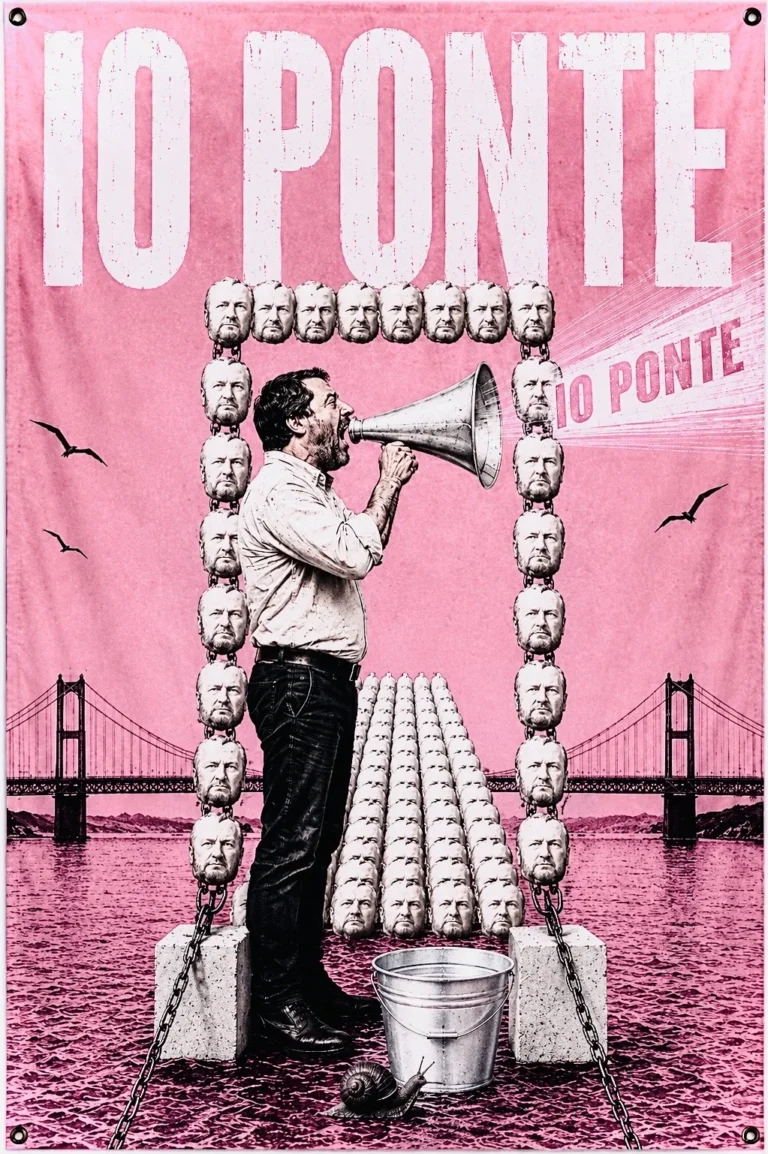
My recurring snail head motif, a characteristic element in my large-scale sculptures, also finds its place here, symbolizing growth, development, and the cyclical nature of life.
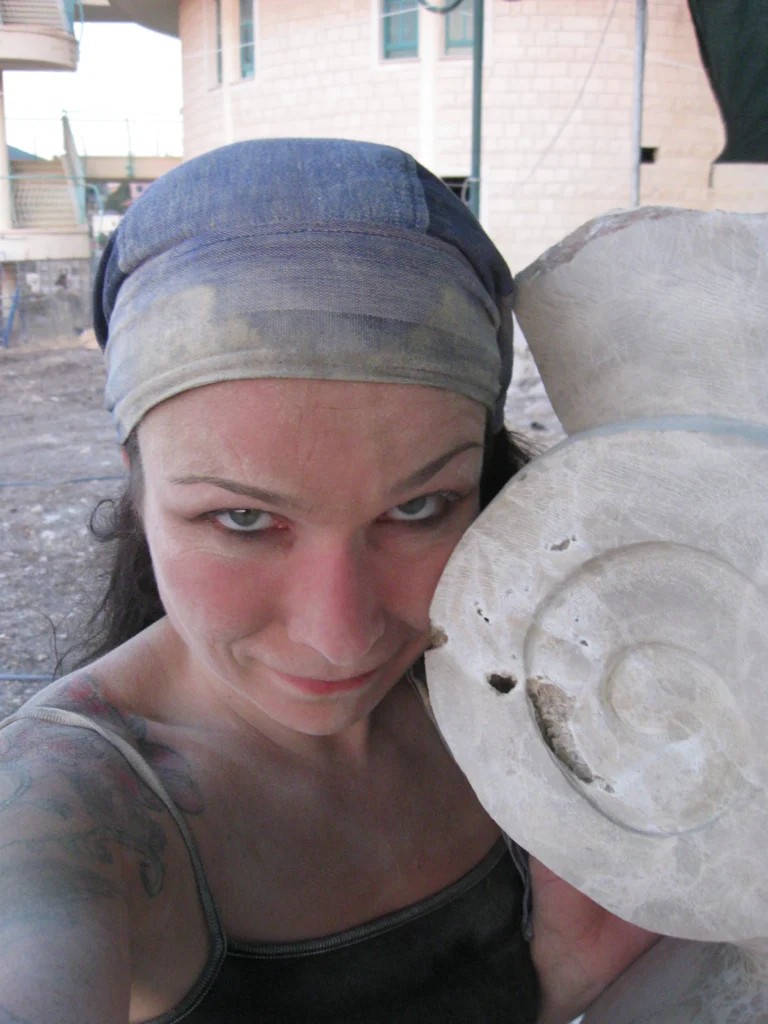
Hurfeish, a village in northern Israel predominantly inhabited by Druze, has a rich cultural history. The village, built on ancient sites, features mosaics and Greek inscriptions that bear witness to its long past.
The Druze community, known for its unique traditions and customs, forms the cultural backbone of Hurfeish.
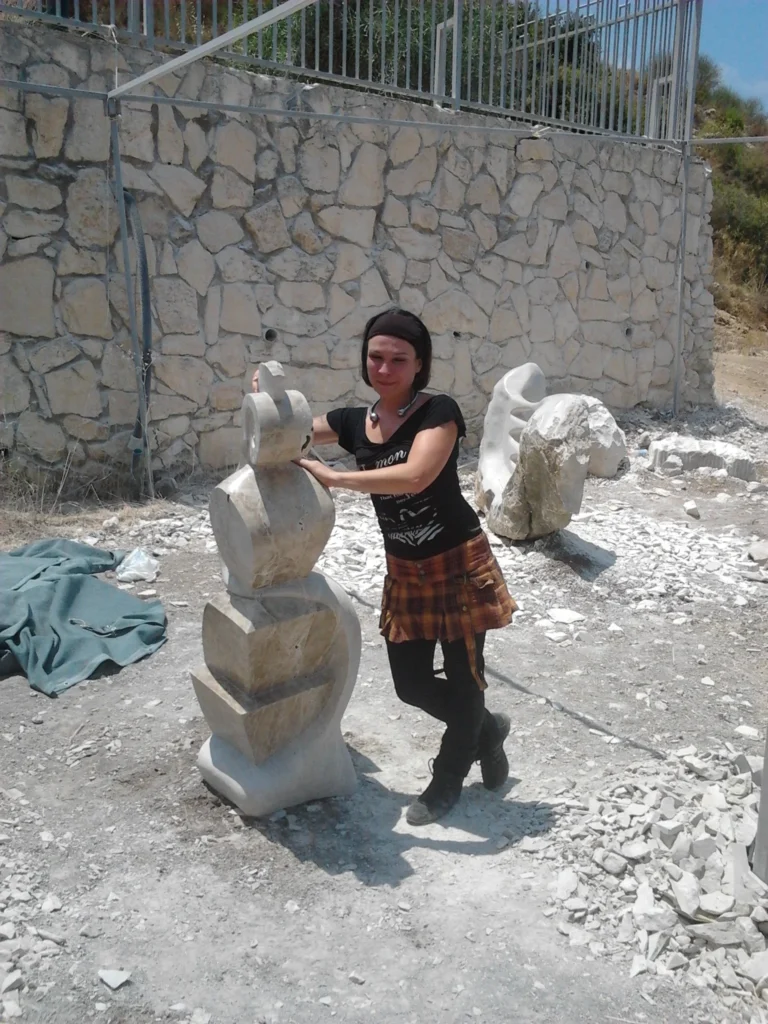
The entire community, and especially the Sheikh, welcomed me warmly. The hospitality was fantastic, and many meaningful conversations took place. In this context, “KEYS” serves as a bridge between contemporary art and traditional culture, merging modern aesthetic concepts with local symbols and materials.
The angular formal language of my work contrasts with the organic form of the snail head, creating a tension that encourages the viewer to reflect on the relationship between nature and human design.

This composition can be seen as a metaphor for balancing tradition with a bold step into modernity within a changing society.
By placing “KEYS” in Hurfeish, the sculpture not only honors the local Druze culture but also initiates a dialogue between different cultures and ethnicities. My sculpture invites locals and visitors from afar to reflect on the meaning of identity, history, and cultural integration.

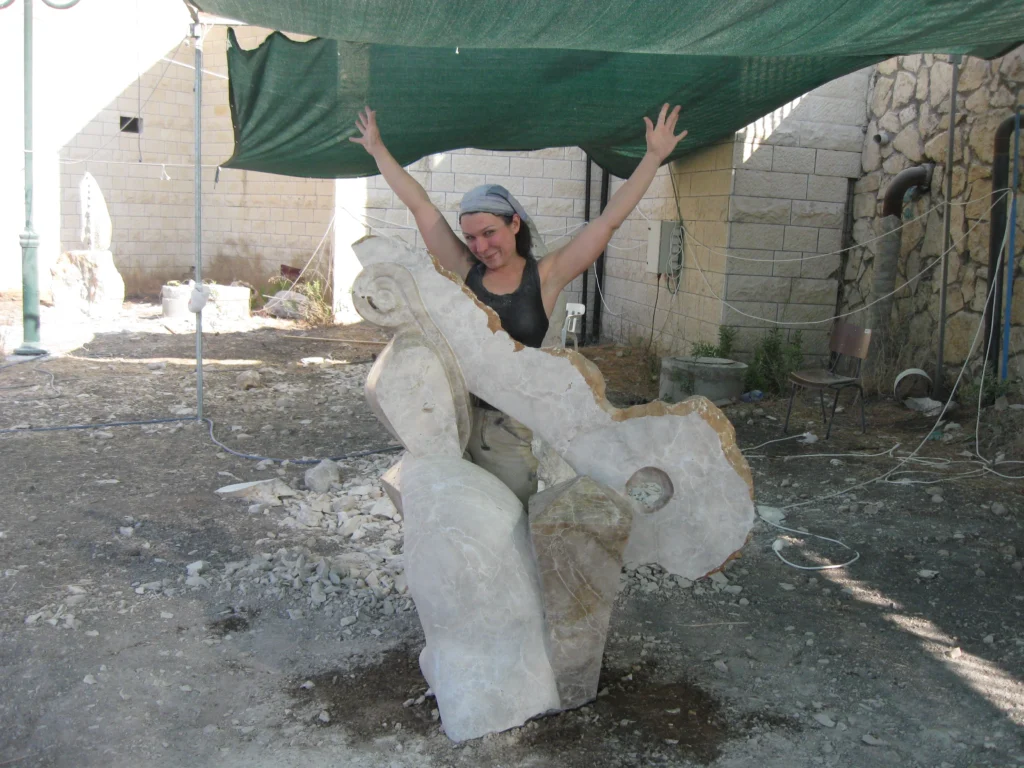
Above all, it stands for peace and respectful coexistence. In a region shaped by diverse conflicts and cultural struggles for ages, “KEYS” exemplifies the potential to promote shared values and understanding through art.
There is a key for every problem.
The is a key for every heart.
Hurfeish (Israel) 2012