Our works are deeply rooted in post-punk and pop cultural aesthetics, and they represent an active rebellion against contemporary wokeism. Created in our studio in the heart of Carrara, they are intended to pierce the hearts of those who twist and deny realities, launched with the bow of sarcasm.
The use of wordplay in our screen prints is meant to provoke and make viewers think. We believe that art should be a tool to ignite discussion, even if it’s through wounds. By combining image and language, we create ambiguous messages that invite viewers to delve deeper into their meaning and develop their own interpretations.
Our works are not just visual representations but reflections on current events and cultural phenomena. We strive to make the hidden visible and to distill the essence of societal tensions. Our aesthetics are based on a synergy of concept, archetypal patterns, and a personal connection to creation.
The choice of pink as the dominant color in our series is a deliberate provocation. Pink is a color traditionally associated with gentleness, innocence, and often with stereotypes about femininity. By presenting provocative, explicit content in pink, we use this color to challenge viewers’ expectations and perceptions. The contrast between the “cute” color and the raw, unapologetic texts and images creates a kind of dissonance that aims to push viewers out of their comfort zones.
Through the use of pink, we also comment on the absurdity of cultural stereotypes, “Pink sucks” becomes a conscious challenge to these stereotypes!
Here’s a brief explanation of some of the prints for you dear spectators:

Scoparmi a Pecorina
This work, featuring the visual of a dog, creates a provocative, playful allusion to sexuality. The wordplay “Scoparmi a Pecorina” can be seen as a humorous or provocative statement that challenges societal norms, encouraging viewers to both smile and think. The innocent portrayal of an animal paired with cheeky language confronts the viewer with the tension between innocent aesthetics and provocative meaning.
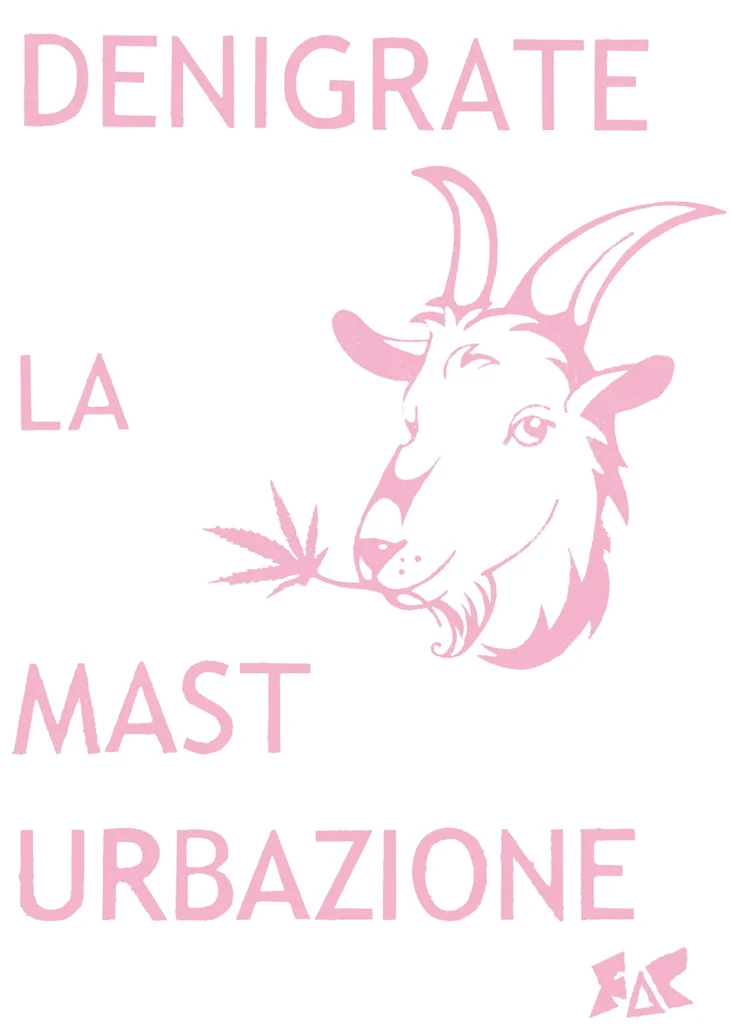
Denigrate la Masturbazione
This piece shows a goat holding a marijuana plant in its mouth, addressing themes of masturbation and societal condemnation. The term “denigrare” means to denigrate, referencing societal judgments on self-pleasure. The goat and the plant symbolize rebellion and self-determination, a kind of satirical portrayal of conservative views on such topics.
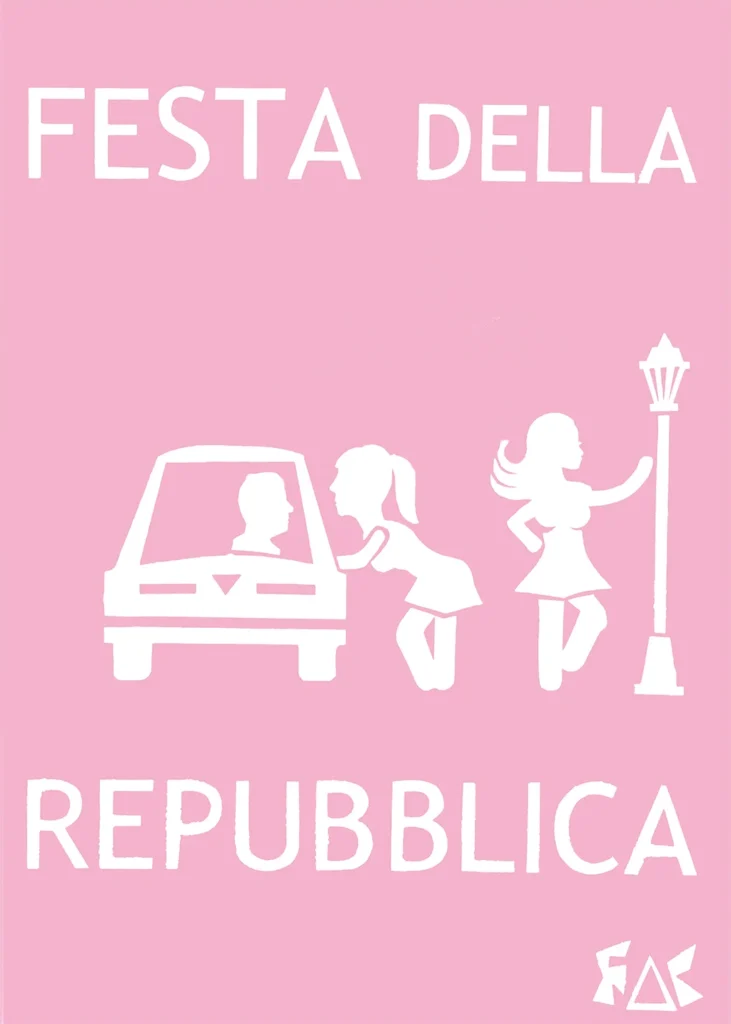
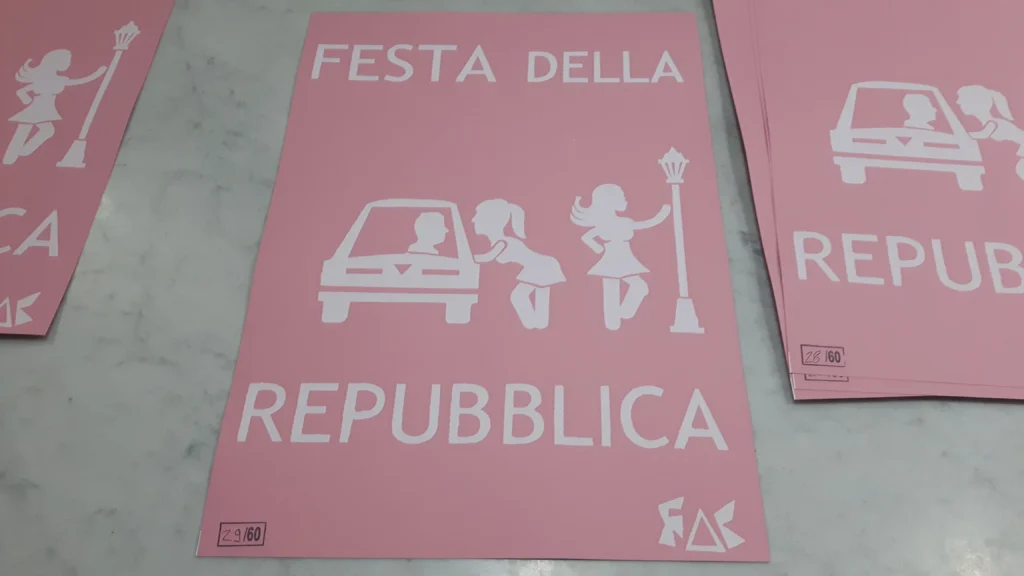
Festa della Repubblica
This work shows a scene where women interact with a driver, clearly alluding to public space prostitution. It offers an ironic interpretation of Italy’s national holiday, addressing the topic of sex work. By “celebrating” this day, we cast a critical eye on the normalization of certain societal phenomena and the way society deals with them.
Cazzo ridi, ti sporro in bocca, brutta troia gigante
The text is explicit and vulgar, a kind of verbal attack between cartoon animal figures. This piece plays with the concept of insult and aggression in a childlike, naive visual presentation. The contrast between the cuteness of the characters and the harsh language provokes viewers and urges society to reconsider its approach to language and violence.


Razzarazza e ancora più razza
Here, themes of race and sexuality are tackled through the depiction of a dog and a human figure. The wordplay with “razza” (race) points to societal discussions on racial identity, while the depiction of the figures suggests a subversive union. It raises questions about discrimination and sexual identity, encouraging reflection on societal taboos. And it spits in the ugly face of racism.
Dio mi perdo nera e il mio mestiere
This piece hints at loss and the search for identity. The title can be translated as “God will forgive me, that’s His job,” possibly referring to questions of identity and the inner struggle between good and evil in many people. The girl in the image seems lost or introspective, lost in pleasing others, to the point of self-neglect.

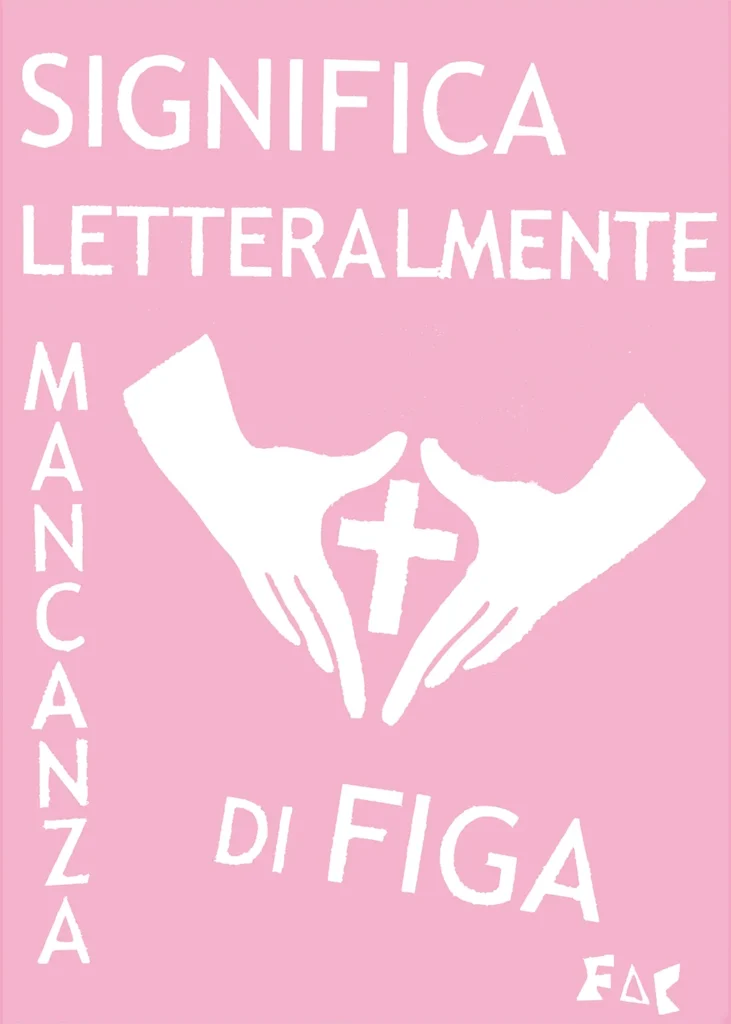
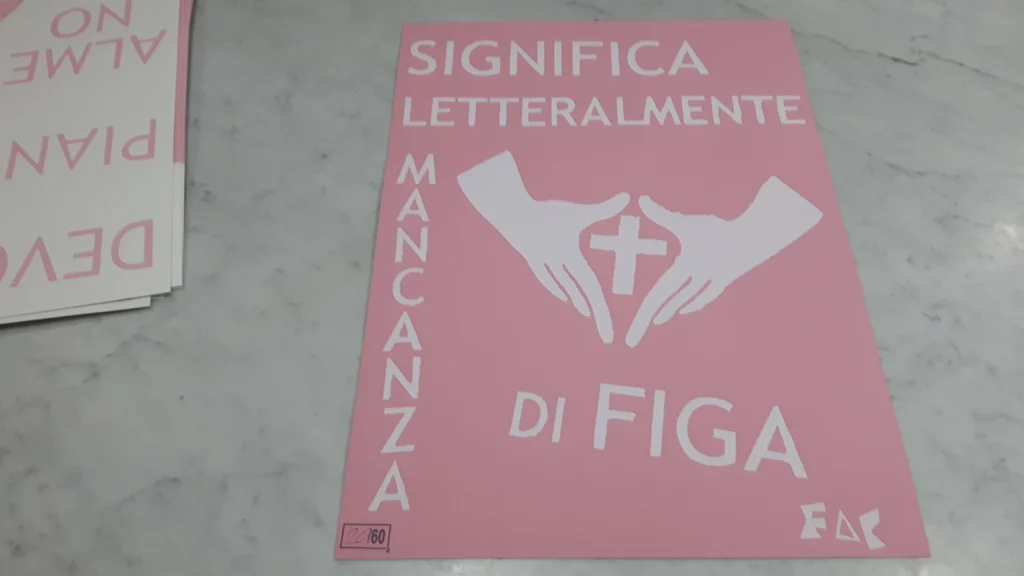
Significa letteralmente mancanza di figa
This work uses provocative language to point to the lack of female presence. The hands forming a cross could symbolize deprivation or loneliness. It’s a satirical yet personal interpretation of the lack of gender equality, especially in the context of relationships, sexuality, and the church.
È sempre bello essere sopravvalutato
This piece, featuring a unicorn head, plays with the idea of being overvalued. Unicorns are fantasy creatures often idealized, and this might allude to the feeling that people are often subject to expectations or idealizations they cannot meet. The text reflects on self-assessment and how people sometimes feel pressured to be extraordinary. Trump, ironically, became president twice by reversing this wisdom.


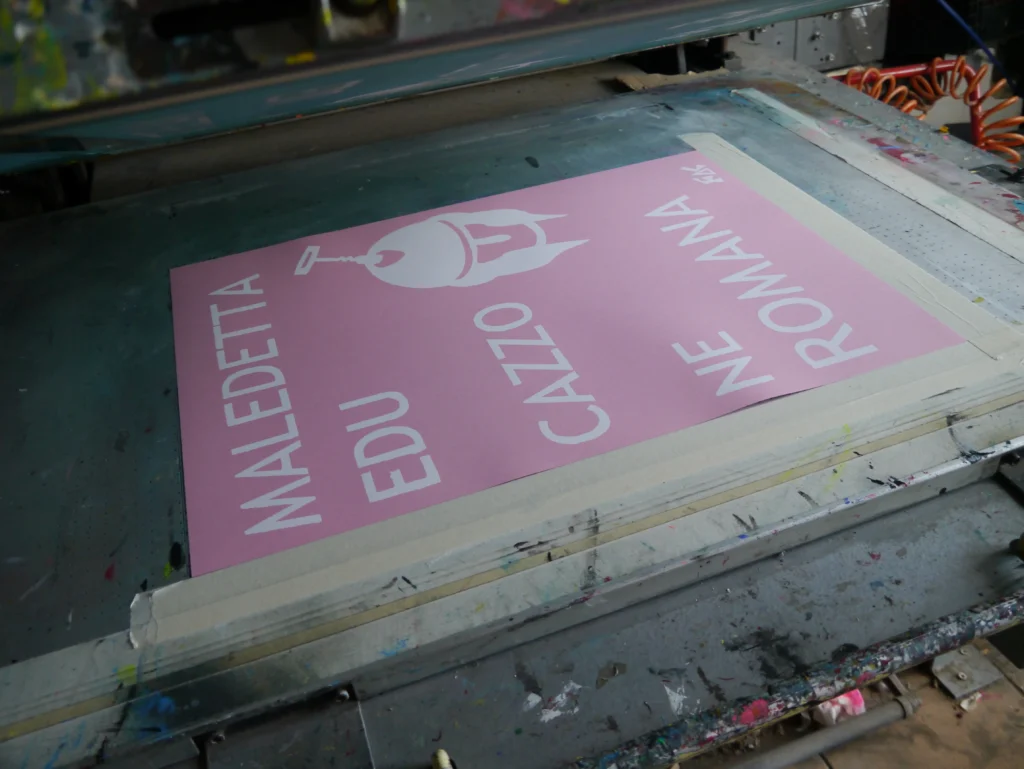
Maledetta educazione romana
The title means “Damn Roman education” and is complemented by an image of a Roman helmet. This piece reflects the traditional and conservative values often embedded in Roman Catholic education. It’s a satirical critique of rigid education systems and their impact on individual lives, and certainly on poor social manners.


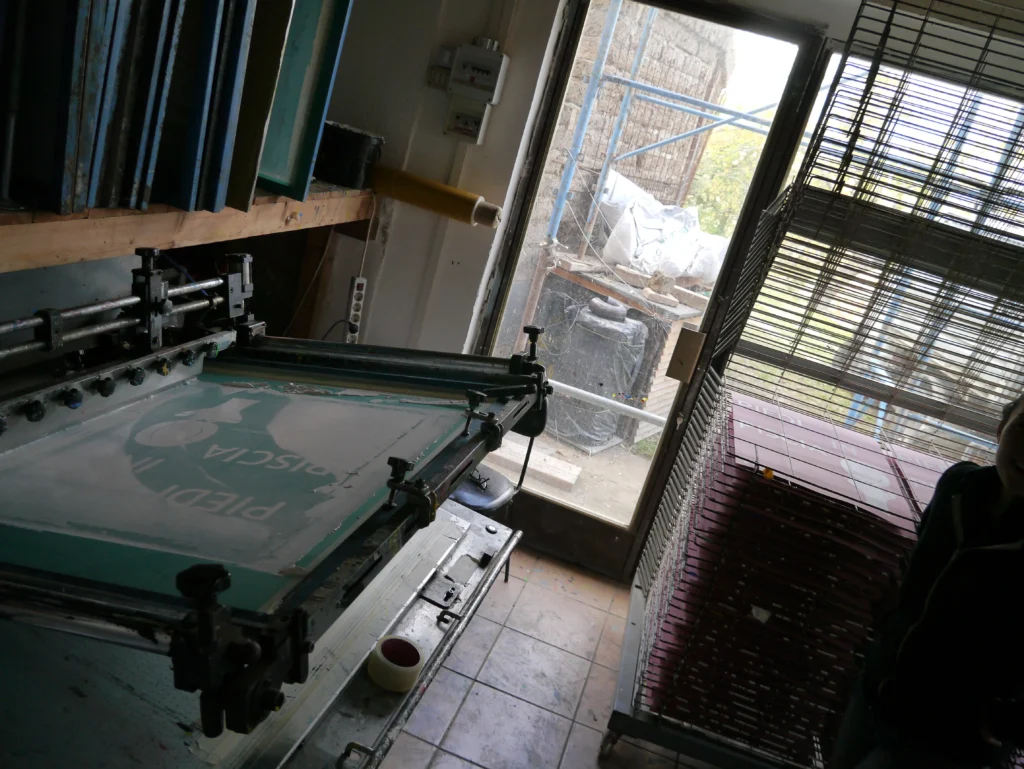
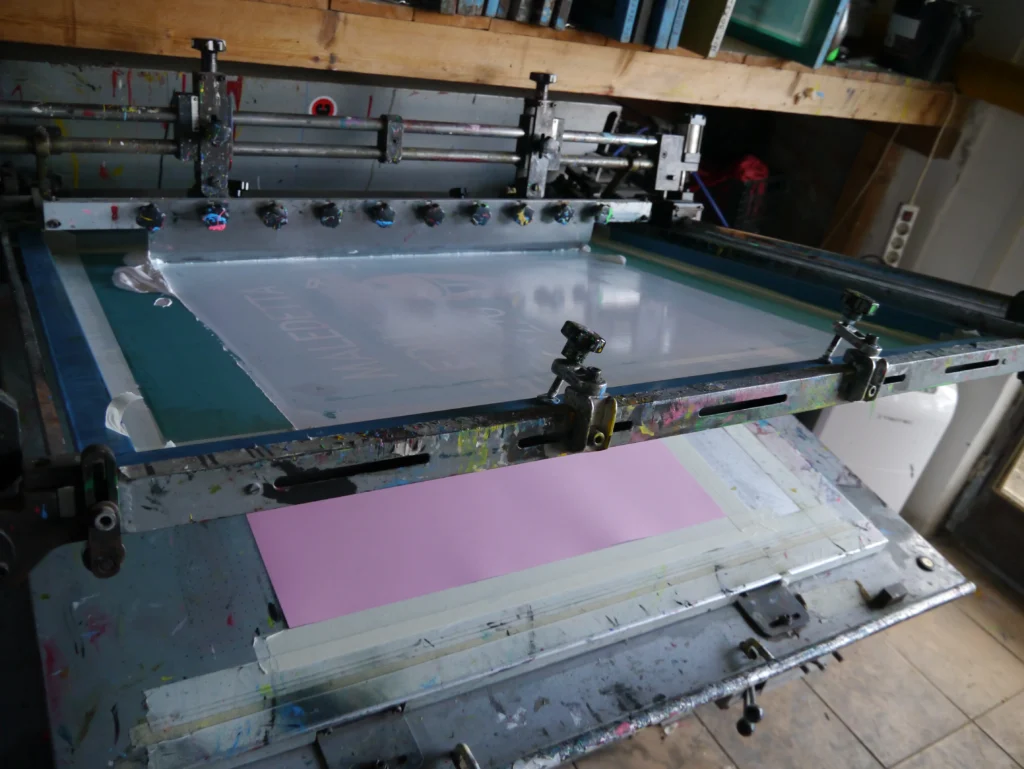


Each of these works uses humor and provocation to challenge societal norms. Our series combines a naive visual aesthetic with explicit, often vulgar language to break taboos and address critical issues. We invite viewers to reflect on their own prejudices and beliefs and to reconsider the often unexamined aspects of human nature and culture.
Carrara 2018